


What To Know
- 53% year on year in August 2026, reaching a three-month high as higher fuel costs, rising food prices and more expensive prepared meals increased pressure on household budgets.
- Thailand’s inflation climbed to a three-month high in August as rising fuel, food and transportation costs increased pressure on consumersImage Credit.
Thailand’s headline inflation accelerated to 2.53% year on year in August 2026, reaching a three-month high as higher fuel costs, rising food prices and more expensive prepared meals increased pressure on household budgets.
The Trade Policy and Strategy Office (TPSO) at the Ministry of Commerce said the Consumer Price Index (CPI) stood at 102.67 in August, up from an annual inflation rate of 1.95% in July. In the first eight months of 2026, this Bangkok Business News report notes that average CPI was 1.37% higher than during the corresponding period of 2025.
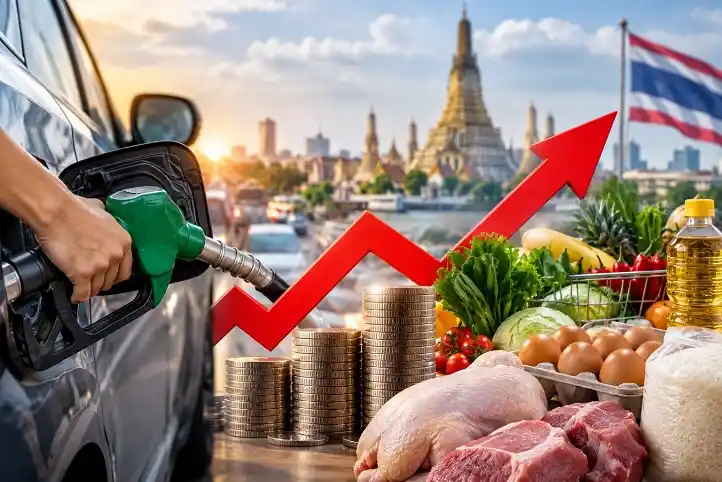
Image Credit: Bangkok Business News
Fuel Costs Drive Inflation Higher
Officials attributed much of August’s acceleration to domestic fuel prices remaining above year-earlier levels, partly because of the prolonged Middle East conflict and additional economic sanctions affecting global energy markets.
The increase is significant for Thailand because fuel costs can quickly filter through the wider economy, raising transportation and distribution expenses and eventually affecting the prices consumers pay for everyday goods and services.
The non-food and beverage category increased 2.23% from a year earlier, with fuel and transportation costs among the main contributors.
Public transportation became more expensive across several services, including school transport, inter-provincial vans, motorcycle taxis, minibuses, songthaews and air-conditioned buses. House rents and cleaning supplies also recorded price increases.
However, consumers received some relief from lower prices for electricity, hotel rooms, clothing and several personal care products, including body soap, shampoo, conditioner, perfume and nappies.
Food Prices Add Pressure on Households
Food and non-alcoholic beverage prices rose 2.99% year on year, with prepared meals recording particularly broad increases.
Popular dishes costing more included ready-cooked side dishes, noodles, rice with curry, rice with stir-fried basil and fried rice. Prices also increased for white rice, eggs, fresh vegetables, fresh fruit, seasonings and beverages including drinking water, instant coffee and hot and iced coffee.
Fresh chicken prices also climbed. The TPSO said stronger purchasing power associated with the “Thai Chuey Thai Plus” scheme contributed to increased demand for some fresh-food products.
Not everything became more expensive. Sticky rice, dried or grated coconut, tamarind paste and meals ordered through delivery services were among items recording lower prices.
Thailand Still Low in ASEAN Rankings
Despite August’s acceleration, Thailand’s inflation remained comparatively modest when measured internationally.
Based on the latest available international comparison for July, when Thai headline inflation stood at 1.95%, Thailand ranked 31st-lowest among 135 reporting economies.
Among eight reporting ASEAN members — Timor-Leste, Malaysia, Thailand, Singapore, Indonesia, Vietnam, the Philippines and Laos — Thailand recorded the third-lowest inflation rate.
September Prices Expected to Stay Positive
The TPSO expects headline inflation to remain positive in September, with fuel, prepared meals, transportation and fresh food continuing to exert upward pressure.
Fuel remains a key concern because domestic retail prices are still higher than a year earlier. Rising fuel expenses are also feeding into public transportation costs, while prepared meal prices have gradually increased across the market.
Fresh vegetables, fruit, eggs and chicken could face further price pressure because of stronger consumer demand and weather-related disruptions to supplies.
One important counterweight will be cheaper electricity. The average electricity rate for September through December has declined to 3.86 baht per unit from 3.95 baht previously, although the figure represents an average across customer categories rather than a single uniform household rate.
Personal care prices could also decline as strong competition and promotional campaigns among major operators continue.
Inflation Outlook Remains Within Forecast
The Commerce Ministry has maintained its 2026 average headline inflation forecast at 1.5%–2.5%, with a midpoint of 2.0%. While August’s increase highlights continuing pressure from energy, transportation and food costs, cheaper electricity and competitive retail pricing could help contain broader inflation. Consumers, however, are likely to remain sensitive to everyday expenses as food and travel costs continue shaping household budgets during the remaining months of 2026.
References:
https://tradingeconomics.com/thailand/consumer-price-index-cpi



