


What To Know
- The airline said the temporary pause would allow it to allocate available workers and resources, manage outstanding shipments, and maintain warehouse safety and efficiency.
- On September 30th, Deputy Prime Minister and Transport Minister Phiphat Ratchakitprakarn said Thai Airways had been asked to keep cargo warehouse services operating because a shutdown would have wide-ranging consequences.
Thai Airways International’s plan to suspend cargo acceptance at Suvarnabhumi Airport for seven days has triggered government intervention, with ministers warning that prolonged disruption could damage exports, inconvenience travelers, and undermine Thailand’s reputation. Flooding that prevented employees from reaching work has left the airline struggling with freight delays, thousands of undelivered passenger bags, and reduced flight operations.
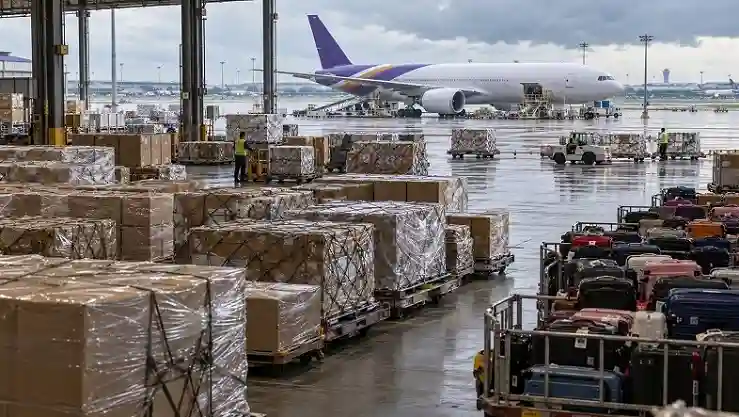
Image Credit: Bangkok Business News
The proposed suspension, scheduled for September 30th through October 6th, 2026, brought the airline’s staffing crisis into sharper focus. With exporters worried about stranded shipments, this Bangkok Business News report examines the government’s push to keep cargo moving while Thai Airways clears accumulated work. Officials are mobilizing military personnel, airport space, and additional equipment, although cargo handling, baggage delivery, and flight schedules have separate recovery targets.
Flooding Leaves Cargo Operations Under Pressure
Airports of Thailand said Thai Airways’ cargo operations division issued its temporary embargo notice on September 29. The announcement covered acceptance of inbound and outbound cargo at the airline’s Suvarnabhumi warehouse after staff shortages created a substantial backlog.
According to Thai Airways, flooding continued to disrupt employees’ journeys to work, preventing some from reporting for duty. With fewer people available, warehouse operations slowed, affecting both the release of goods to customers and the transfer of shipments to scheduled flights.
The airline said the temporary pause would allow it to allocate available workers and resources, manage outstanding shipments, and maintain warehouse safety and efficiency. It apologized to customers and said its objective was to restore reliable cargo services as quickly as possible.
However, the proposed seven-day interruption drew objections from ministers concerned about the consequences for businesses dependent on timely air freight.
Commerce Minister Warns About Perishable Exports
Deputy Prime Minister and Commerce Minister Suphajee Suthumpun described the planned suspension as too long and urged Thai Airways to accelerate its response.
Her immediate concern centered on agricultural products and other goods vulnerable to spoilage or damage. For these shipments, delays can erode their commercial value before they reach buyers, making alternative transport arrangements particularly urgent.
Suphajee instructed the Department of International Trade Promotion to assess the export impact and coordinate with other airlines to identify alternative freight options. Officials were also told to gather information on shipments requiring air transport and determine where bottlenecks might develop.
Although most Thai agricultural exports move overland through border checkpoints, that does not eliminate the risks facing products shipped by air. The government’s response therefore focuses on identifying affected consignments and securing workable alternatives.
Suphajee also warned that the broader disruption could affect passenger travel, Thailand’s image, and its export system. Further coordination was planned with the Finance Ministry and Deputy Prime Minister and Finance Minister Ekniti Nitithanprapas.
Transport Ministry Pushes to Keep Freight Moving
On September 30th, Deputy Prime Minister and Transport Minister Phiphat Ratchakitprakarn said Thai Airways had been asked to keep cargo warehouse services operating because a shutdown would have wide-ranging consequences.
His statement marked an important development after the airline’s earlier embargo announcement. Phiphat maintained that import and export cargo services would remain open, although freight acceptance could be slowed to match available handling capacity.
That distinction matters for exporters: continued operations at reduced capacity would still involve delays, but would allow some shipments to move through the warehouse.
The Transport Ministry asked Airports of Thailand to provide temporary space at Suvarnabhumi for consolidating cargo awaiting processing. Phiphat said additional personnel would be arranged where necessary and urged Thai Airways to report shortages of staff or equipment promptly.
He described the coordinated response as “Team Thailand,” emphasizing shared responsibility for resolving a disruption affecting the country’s reputation.
Thousands of Passenger Bags Await Delivery
The freight problem has unfolded alongside a separate passenger baggage backlog.
Phiphat said staff shortages had left more than 10,000 bags from Thai Airways flights between September 26 and 28 unprocessed. Approximately 8,000 remained awaiting delivery when he outlined the recovery effort.
The airline was handling an average of about 2,000 bags daily, with an estimated three to four days required to complete outstanding deliveries. Phiphat expressed confidence that the work could finish by October 1, or October 2 at the latest.
To accelerate sorting, the ministry requested an additional 100 military personnel. Armed forces assistance had been provided since September 26, while the Civil Aviation Authority of Thailand coordinated the transfer of 12 sets of transport equipment from the Royal Thai Air Force.
Military support helped with lifting and moving bags, but Thai Airways employees remained essential because they understood the sorting procedures.
Collection, Delivery, and Passenger Assistance
Thai Airways established a center to handle baggage inquiries and collect passengers’ contact details for subsequent deliveries.
Passengers could collect their bags at Suvarnabhumi Airport or arrange delivery supported by Thailand Post. Phiphat said deliveries were continuing throughout each day.
He also said the airline was prepared to cover expenses incurred by passengers who changed flights or adjusted travel plans because of the disruption.
According to Phiphat, changes to flight schedules and baggage management on September 29 had prevented a fresh backlog from developing for flights from that date onward. The outstanding bags were associated with September 26–28 flights.
Flight Recovery Has Its Own Timetable
Thai Airways chief executive Chai Eamsiri said normal flight operations were expected to return within seven days, with temporary service reductions needed to clear accumulated baggage and other work.
He reported that 90 percent of frontline passenger-service staff and 80 percent of operational employees had returned. Even a full staffing recovery, however, would leave outstanding work to process.
The airline normally operates 115 flights daily. Chai said it initially cut 28 flights, planned another reduction of 15 flights on October 1, and expected to operate 105 flights on October 2.
Wider Supply Concerns Remain in Focus
Suphajee said domestic consumer goods remained sufficient overall, although transport difficulties could prevent deliveries to some communities. Shortages could be reported through the Department of Internal Trade hotline at 1569. Military personnel were also helping distribute supplies in difficult-to-reach areas, including parts of Sa Kaeo.
For Thai Airways, recovery will depend on turning extra personnel, equipment, and temporary space into steady progress. Exporters need dependable freight access, passengers need their belongings returned, and Thailand needs its main aviation gateway operating reliably as the airline works through the backlog.



