


What To Know
- Thailand is now facing a wave of company deregistrations unseen in recent years, as over 8,000 firms voluntarily shuttered or suspended operations in just the first half of 2025, including some with paid-up capital in excess of one billion baht.
- In coming months the ability of government, industries and local communities to adapt together will determine whether the wave of exits marks decline—or a painful but overdue renewal for the Thai economy.
Bangkok Business News: Surge in Company Closures Raises Alarms
Thailand is now facing a wave of company deregistrations unseen in recent years, as over 8,000 firms voluntarily shuttered or suspended operations in just the first half of 2025, including some with paid-up capital in excess of one billion baht. In many cases, parent firms have cited sustained cashflow pressure, plummeting demand and rising operating costs as the driving forces behind the mass exodus. This Bangkok Business News report finds that this trend is rippling across sectors and regions, especially outside Bangkok, where smaller firms are most vulnerable.
What Is Driving the Mass Exit
Struggling demand and export headwinds
Exports, once a mainstay of Thailand’s growth model, are under stress from global tariff pressures and weakening global demand. Combined with the strength of the baht, Thai manufacturers are finding it harder to compete. Many firms facing squeezed margins see deregistration as the only way to cut losses before reaching insolvency.
High fixed burdens and regulatory overhead
Even for firms not directly in export chains, costs—especially rent, utilities, wages and compliance—are growing. For companies with dwindling revenues, these fixed burdens become unbearable. Many choose to cease operations entirely rather than limp along. Regulatory requirements and stiff penalties for non-compliance further push small and mid-sized businesses to exit formal registration.
Capital constraints and credit squeeze
Reports point to worsening access to credit and tighter lending standards. Without adequate working capital, firms find it impossible to invest, meet obligations or scale. Some see deregistration as a last resort when loans dry up.
Regional and Sectoral Fallout
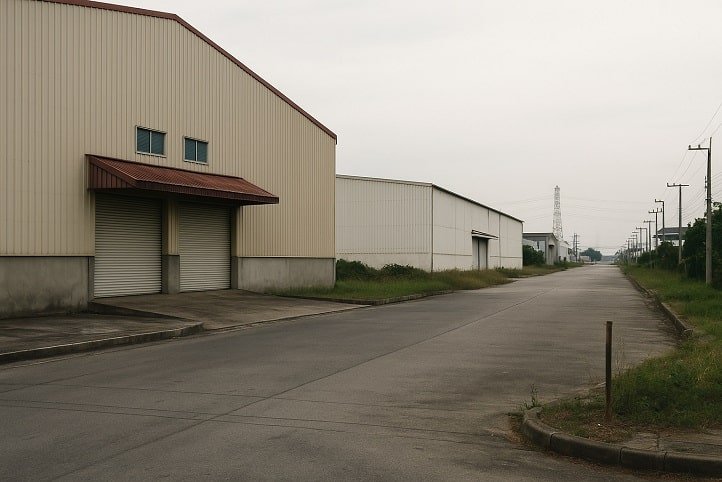
Regions outside the metropolitan core are bearing a heavier blow, where local firms lack flexibility and buffers to absorb shocks. Closure of SMEs in provinces may deepen income inequality and slow local development. In sectors such as light manufacturing, local services and non-core export supply chains, the exodus is especially visible. Employment in many smaller factories and businesses is disappearing quietly.
At the same time, the ripple effects are felt beyond just job losses—real estate vacancies, supplier debts, drop in tax collection, and diminished consumer spending in towns reliant on those firms.
What This Means for Thailand’s Recovery
While the wave of deregistration is a stark warning, it also offers a moment for reset. The government and central agencies must act fast to provide lifelines—debt relief, tax restructuring, incentives for reactivation of firms, and retraining support for displaced workers. Preserving vital supply chains and trying to rescue firms that are viable albeit distressed will be critical.
If unchecked, the trend could erode investor confidence and accelerate economic contraction. But with thoughtful interventions, Thailand may emerge leaner and more resilient, reshaping the economic landscape toward more sustainable, higher-value operations.
To stem further escalation, policies must balance support and discipline while recalibrating Thailand’s dependence on low-margin manufacturing. In coming months the ability of government, industries and local communities to adapt together will determine whether the wave of exits marks decline—or a painful but overdue renewal for the Thai economy.
For the latest on the Thai economy, keep on logging to Bangkok Business News



