


What To Know
- Thailand’s public debt has surged over recent years, prompting the Thailand Development Research Institute (TDRI) to warn the government that it runs a serious risk of a credit rating downgrade.
- He highlights the need for a better balance between what the treasury earns and what it spends, warning that the unchecked rise in debt could force the country to pay significantly higher interest on future government bonds.
Bangkok Business News: Debt Climb Raises Alarms in Bangkok
Thailand’s public debt has surged over recent years, prompting the Thailand Development Research Institute (TDRI) to warn the government that it runs a serious risk of a credit rating downgrade. Such a downgrade would push up borrowing costs for both the public sector and private firms, making debt payments larger throughout the economy.
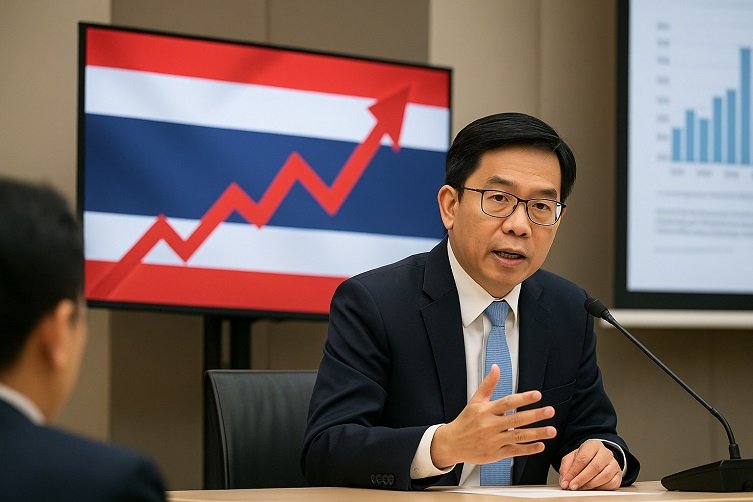
Thai Economists Warn Rising Public Debt Could Put Pressure on The Nation’s Credit Rating and Future Growth
Image Credit: AI-Generated
This Bangkok Business News report shows that TDRI President Dr. Somkiat Tangkitvanich has urged the government to undertake a thorough review of both revenue and expenditure, cutting back on programmes that yield low economic returns while pushing for structural reforms that sustain long-term growth. Without these changes, the cost of servicing new debt could become a heavy burden.
What TDRI Recommends to Avert Downgrade
Dr. Somkiat calls on the government to reduce wasteful spending and reprioritize its budget toward projects with stronger economic impact. He highlights the need for a better balance between what the treasury earns and what it spends, warning that the unchecked rise in debt could force the country to pay significantly higher interest on future government bonds.
One recommendation is to liberalize regulations in key areas—electricity market reform, for example—to harness multiplier effects that strengthen productivity and competitiveness. Although such reforms may not deliver immediate relief, they are seen as essential for long-term resilience.
The Role of the New Finance Minister
Dr. Ekniti Nitithanprapas, recently appointed Finance Minister, is viewed by TDRI as a figure whose past experience leading both the Revenue and Excise Departments positions him well to steer policy toward fiscal responsibility. The institute suggests that a credible plan to generate revenue, combined with targeted spending cuts, could reassure both investors and rating agencies that Thailand understands the risk and is committed to correcting course.
Implications and Stakes Ahead
A downgrade in Thailand’s credit rating would ripple across multiple fronts. Government borrowing costs would rise, making every new bond issuance more expensive. Private companies relying on debt financing would also face steeper interest expenses, squeezing profit margins or deterring investment. In turn, higher debt service burdens could reduce public spending on essential services or force higher taxes.
Strong structural reforms may not win favour with everyone in the short run, but they are indispensable for preserving fiscal integrity. Without bold action now—on revenue measures, spending rationalization, and regulatory liberalization—Thailand could risk higher borrowing costs, weaker investor confidence, and reduced economic growth over time. The path forward demands discipline, vision, and political will to keep the public debt from spiraling further.
For the latest on the Thai economy, keep on logging to Bangkok Business News