


What To Know
- Samsung has doubled down on innovation with two fresh foldable models—the Galaxy Z Fold 7, which can morph into a tablet, and the Z Flip, a modern twist on the old-school flip phone.
- The company is now preparing to introduce a slimmer iPhone in the coming weeks, followed by a possible foldable model as early as 2026.
International Business News: Samsung’s Bold Comeback
The battle between Samsung and Apple in the United States smartphone arena has reignited with new intensity. Data shows Samsung’s market share jumped from 23% to 31% in the second quarter, while Apple’s slid from 56% to 49%. Although Apple still holds the top spot, the momentum has clearly shifted toward its South Korean rival, powered by cutting-edge foldable devices. This
International Business News report highlights how shifting consumer preferences, new product launches, and trade disruptions are altering the balance of power in the industry.
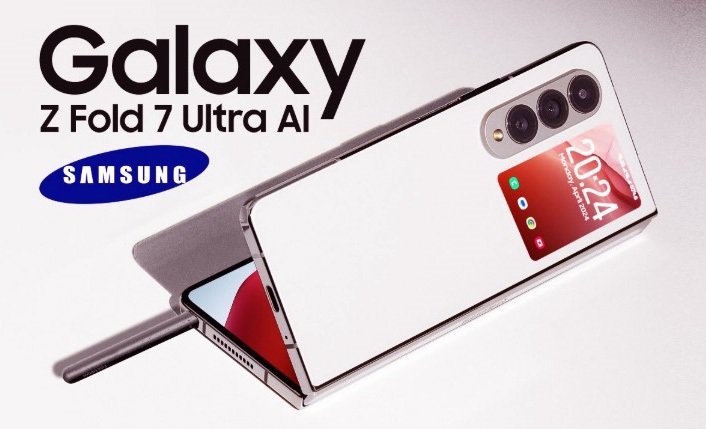
Samsung phones are gaining an increase in market share globally
Image Credit: Samsung
Foldables Drive Excitement
Samsung has doubled down on innovation with two fresh foldable models—the Galaxy Z Fold 7, which can morph into a tablet, and the Z Flip, a modern twist on the old-school flip phone. These devices have captivated consumers with durability demonstrations circulating widely online, including viral videos of the Z Fold 7 enduring over 200,000 bends. Social media mentions for Samsung’s premium lineup have exceeded 50,000 in a month, with most feedback positive or neutral. Clearly, foldables are no longer a risky experiment but a rising mainstream choice.
Apple Slow to Adapt
Apple’s iPhone design has remained largely unchanged since 2017, sticking to the familiar slate-style glass-and-metal form. The company is now preparing to introduce a slimmer iPhone in the coming weeks, followed by a possible foldable model as early as 2026. While Apple historically waits until technologies are mature before making a move, critics warn that it risks losing ground as rivals push innovation faster. Investors have already shown concern, with Apple’s shares dipping 7.5% this year, while Samsung’s stock has climbed 35%.
Pricing Strategies and Market Shifts
One factor behind Samsung’s surge is its broad pricing strategy. The company covers nearly every tier, from entry-level models priced around $650 to premium foldables exceeding $2,400. By contrast, Apple’s lineup ranges between $829 and $1,599, leaving fewer options for budget-conscious buyers. Analysts note that tariffs and shifting global trade policies have also contributed to the changes in shipment numbers, but Samsung’s diverse catalog remains a key advantage in the U.S. market.
Innovation Meets AI
The rise of artificial intelligence is shaping how users interact with devices. Samsung’s foldables, with their larger screens, are seen as particularly well suited for AI features such as Google’s Gemini-powered circle-to-search. By contrast, Apple’s AI capabilities remain behind schedule, with the next version of Siri delayed until next year. Industry watchers believe Apple’s loyal customer base will prevent mass defections in the near term, but the longer-term risk of losing technological leadership is real.

The Samsung foldable phone is proving to be a serious threat to Apple iphones
Image Credit: Samsung
A Rivalry Renewed
More than a decade ago, Samsung challenged Apple with big-screen devices, prompting the release of the iPhone 6 and reshaping consumer expectations. Today, the contest has returned with a new focus—foldable displays. Samsung, once mocked for its failed first foldable launch in 2019, has refined the technology to deliver durable, high-performing devices that are attracting growing interest. Preorders for the latest Galaxy Z Fold 7 are already 25% higher than any previous foldable, and sales are running nearly 50% ahead of its predecessor.
Looking Ahead
The next few years will determine whether Apple can catch up to the foldable trend or whether Samsung cements itself as the leader in this space. If Apple successfully launches a premium foldable, it could reclaim momentum and justify higher price tags. But if delays persist and consumer excitement fades, Samsung may gain further dominance in both innovation and market share. What is clear is that the smartphone war has entered a new phase, and the winner will be the company that best marries design, technology, and AI capabilities. The rivalry is set to define the future of mobile devices for years to come, and the battle over foldables is only beginning.
For the latest International Business News, keep on logging to Bangkok Business News.