


What To Know
- Thailand’s central bank is introducing tougher scrutiny of large cash transactions in a significant move aimed at preventing illicit funds from circulating through the country’s financial system.
- When suspicious activity is detected, institutions are required to report it to the BOT, strengthening the central bank’s ability to identify potential misuse of regulated financial services.
Thailand’s central bank is introducing tougher scrutiny of large cash transactions in a significant move aimed at preventing illicit funds from circulating through the country’s financial system. Beginning November 1, 2026, financial institutions will face stricter requirements when handling cash transactions valued at THB5 million or more in a single day.
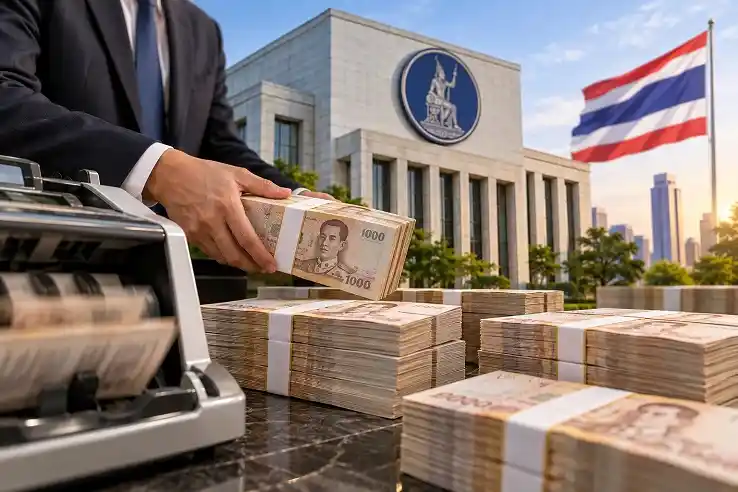
Image Credit: Bangkok Business News
The new regulations, announced by the Bank of Thailand (BOT), reflect growing concerns about financial transparency and the movement of so-called “grey money” through legitimate banking channels. As highlighted in this Bangkok Business News report, the measures will require banks to examine high-value transactions more carefully while ensuring that ordinary electronic banking services remain unaffected.
Banks Must Verify Large Cash Transactions
Under the revised framework, financial institutions must conduct enhanced due diligence (EDD) on customers undertaking qualifying transactions.
Depending on the assessed risk, banks may request explanations regarding the origins of funds, the purpose of transactions, or documentary evidence supporting unusually large cash movements.
The requirements are intended to make it harder for individuals or organizations to exploit conventional banking services to conceal questionable financial activities.
BOT Governor Vitai Ratanakorn emphasized that strengthening safeguards against grey money remains an important priority for the central bank.
Rules Extend Beyond Cash Deposits
Although cash deposits are a major focus, the regulations cover several other financial activities conducted at physical bank branches.
These include cheque and bank draft deposits, exchanges of Thai baht banknotes, cash payments for issuing cheques or drafts, and foreign currency transactions.
Cash payments involving insurance premiums, investment products, and financial derivatives also fall within the expanded oversight framework when they reach the specified threshold.
Importantly, the measures apply to branch-based transactions rather than electronic banking channels, meaning customers conducting digital transfers will not be directly affected by these particular requirements.
Suspicious Banking Activity Faces Greater Scrutiny
Financial institutions must also identify transactions that appear unusual or inconsistent with customers’ established financial behavior.
When suspicious activity is detected, institutions are required to report it to the BOT, strengthening the central bank’s ability to identify potential misuse of regulated financial services.
The approach represents a broader effort to reinforce accountability without unnecessarily disrupting legitimate commercial activities.
Banks must additionally consider customer convenience and establish procedures to provide timely, fair assistance when additional verification creates difficulties.
Thailand Strengthens Its Financial Defenses
The initiative aligns with the Bangkok Blueprint for Fraud-Resilient Financial Services, developed through cooperation involving the BOT, International Monetary Fund, and World Bank Group.
The framework seeks to strengthen financial institutions’ capacity to prevent fraud and respond effectively to emerging financial threats.
For businesses handling substantial amounts of physical cash, the regulations could mean additional documentation and closer examination of transactions previously processed with fewer questions.
Ultimately, the effectiveness of these safeguards will depend on consistent enforcement and banks’ ability to distinguish legitimate financial activity from suspicious transactions. Thailand’s challenge will be strengthening financial security while preserving confidence, efficiency, and accessibility across its banking system.


