

What To Know
- Vietnam’s central bank has been subtly guiding the dong lower in recent weeks, a move seen as a protective measure against looming U.
- By allowing the dong to slip in a controlled manner, the central bank aims to maintain Vietnam’s appeal to foreign buyers without drawing accusations of currency manipulation.
Bangkok Business News: Currency Strategy Amid Tariff Tensions
Vietnam’s central bank has been subtly guiding the dong lower in recent weeks, a move seen as a protective measure against looming U.S. tariffs that could harm its critical export sector. The government is trying to balance stability with competitiveness as global trade headwinds intensify. Analysts suggest that the gradual depreciation is intended to cushion manufacturers from potential penalties while keeping inflation risks in check. In the middle of these developments, this Bangkok Business News report highlights that Vietnam is now walking a tightrope between economic defense and international scrutiny.

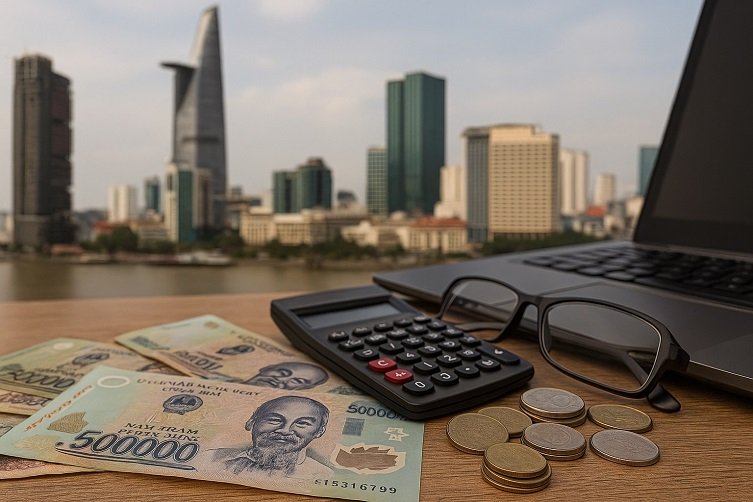
Vietnam adjusts currency policy to soften the impact of potential U.S. tariffs on exports
Image Credit: AI-Generated
Safeguarding Exports in a Shifting Trade Environment
Exports are the backbone of Vietnam’s growth, with the U.S. standing as its largest market. The threat of tariffs from Washington has unsettled Hanoi policymakers, prompting a delicate response rather than aggressive intervention. By allowing the dong to slip in a controlled manner, the central bank aims to maintain Vietnam’s appeal to foreign buyers without drawing accusations of currency manipulation. Market insiders say the pace of depreciation is being carefully managed to avoid sparking capital flight or domestic unease.
Balancing Inflation and Investor Confidence
A weaker dong provides exporters a cost advantage, but it also risks stoking inflation, particularly for imported goods such as fuel and raw materials. Vietnam’s central bank faces the challenge of ensuring price stability while sending clear signals to investors that its currency policy is measured and responsible. Foreign investors, already watchful of geopolitical uncertainty, remain sensitive to any signs of instability in Southeast Asia’s emerging markets. The authorities are therefore working to maintain confidence while quietly shielding the economy from trade pressures.
Broader Regional Implications
Vietnam’s strategy may also influence other Asian economies that rely heavily on exports to the United States. As trade barriers rise globally, regional currencies could face similar downward pressures to stay competitive. Some economists believe Vietnam’s approach underscores a broader trend of subtle currency adjustments rather than open confrontations, as governments seek to adapt without escalating tensions. The coming months will show whether this measured weakening of the dong is sufficient to shield the country from harsher U.S. trade actions or whether Vietnam will need to consider stronger fiscal and diplomatic measures.
Vietnam’s quiet but deliberate move to let the dong weaken reflects both caution and resilience. By prioritizing export competitiveness while trying to avoid accusations of manipulation, the country is signaling its intent to weather a difficult trade environment. Yet the balancing act remains fragile, with risks of inflation, capital outflows, and political friction all on the horizon. For now, Vietnam is betting that careful guidance of its currency will buy it the time needed to navigate looming challenges in the global market.
For the latest news, keep on logging to Bangkok Business News.