

What To Know
- The United Kingdom is staring down a financial crossroads as a growing number of firms abandon the London Stock Exchange, triggering mounting concerns across the business landscape.
- The Confederation of British Industry (CBI) has issued a stark warning that the trend has reached a pivotal moment, one that demands swift and sweeping reforms to prevent lasting damage to the UK’s global standing as a financial hub.
International Business News: Warning Bells Ring Over London Stock Exchange Outflows
The United Kingdom is staring down a financial crossroads as a growing number of firms abandon the London Stock Exchange, triggering mounting concerns across the business landscape. The Confederation of British Industry (CBI) has issued a stark warning that the trend has reached a pivotal moment, one that demands swift and sweeping reforms to prevent lasting damage to the UK’s global standing as a financial hub.

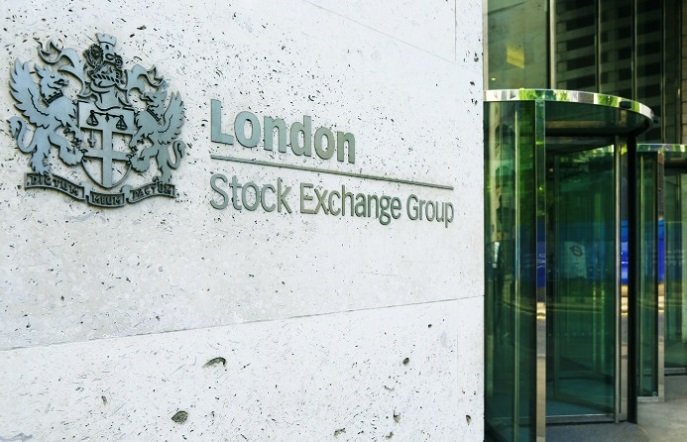
Many companies are abandoning the London Stock Exchange
Image Credit: London Stock Exchange
According to recent figures, a staggering 213 companies have delisted from the UK market since 2016. This includes firms choosing to list overseas, private takeovers, and a general retreat of investors from UK shares. This International Business News report highlights how the loss of these companies could erode one of the country’s most vital economic engines—its financial services sector, which contributes 10% of all UK tax revenue.
Why the Exodus Matters
CBI Chair Rupert Soames didn’t mince words when he said the time for hesitation is over. He pointed to regulatory burdens, insufficient investor incentives, and uncompetitive tax structures as key reasons why UK markets are losing their edge to foreign exchanges, especially those in the United States.
Notably, Soames threw his support behind slashing the £20,000 tax-free annual cash ISA allowance, arguing that parking money in low-yielding cash shelters stifles productive economic activity. “Cash ISAs are the worst possible investment,” he said, noting that inflation often erodes their value. There is now around £300 billion in such savings, funds that could otherwise be redirected into stocks, businesses, and innovation.
Major Players Leaving British Shores
The drain includes some of the UK’s most celebrated companies. ARM Holdings, once a national tech icon, now trades in New York. Just Eat and Deliveroo have either shifted or been absorbed, while Paddy Power’s parent Flutter has pivoted to the US. Meanwhile, BHP has returned to Australia, and speculation continues around the possible exits of Shell and AstraZeneca.
In 2023 alone, 88 companies exited the UK market. This year, 70 more have already followed. Soames captured the sentiment perfectly when he said, “Houston, we have a problem.”
Getting Serious About Reform
Aside from foreign listings, another trend is causing concern: public companies are being bought by private firms offering higher valuations, better pay, and less scrutiny. Soames argues that if the UK wants to retain world-class corporations, it must stop being “squeamish” about executive compensation and embrace a more pragmatic approach to corporate governance.
There have been some positive moves. The former Conservative government relaxed listing rules, and the Labour-led Treasury is now pushing to consolidate pension funds and encourage more domestic investment. Several major pension and insurance firms have pledged to invest more in UK-based assets. But these measures have yet to produce a meaningful shift—only about 4% of industry assets are currently invested in public UK companies.
A Treasury spokesperson confirmed that upcoming announcements would include aggressive plans to “ruthlessly exploit our global advantages” and further reform capital markets. While the UK did outperform the next three European exchanges combined in raising equity last year, the need to entice companies back and keep them there is becoming critical.
The country now faces a stark choice: reform or risk becoming a financial afterthought in the global economy. With its capital markets at risk of shrinking irrelevance, the UK must prove that it can not only attract the investment horse—but make it drink from its own pool.
For the latest International Business News, keep on logging to Bangkok Business News.