

What To Know
- President Donald Trump has announced that his administration is launching a sweeping investigation into imported furniture, signaling a potential shift in U.
- According to the administration, the measure is intended to bring back jobs and production to states like North Carolina, South Carolina, and Michigan, once central to U.
International Business News: A Major Trade Shift on the Horizon
President Donald Trump has announced that his administration is launching a sweeping investigation into imported furniture, signaling a potential shift in U.S. trade policy. The probe, framed under the Section 232 national security statute, could lead to higher tariffs on imported furniture in the coming months. This International Business News report notes that while such tariffs may aim to revitalize U.S. manufacturing, they are already sparking strong reactions across the industry.

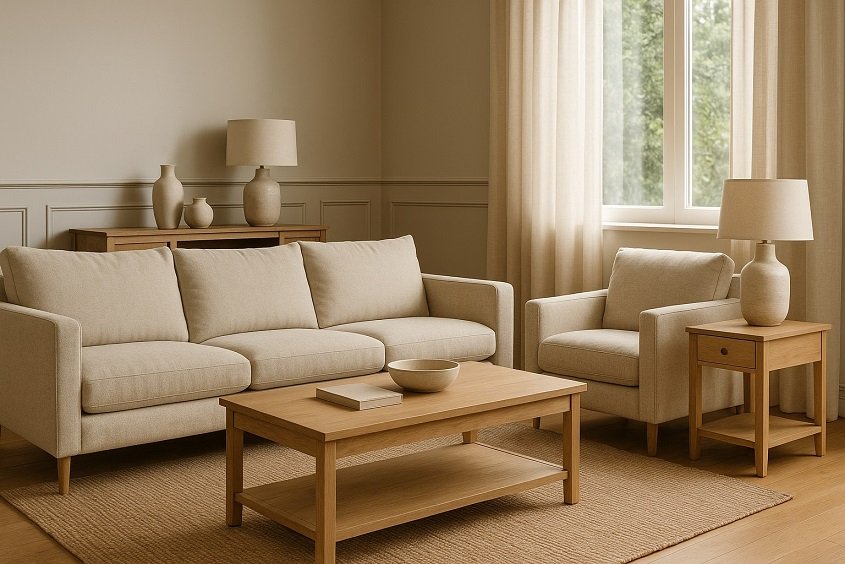
All furniture imports into the United States are going to be facing new higher tariffs very soon
Image Credit: AI-Generated
Impact on U.S. Furniture Industry
Trump declared on Truth Social that imported furniture will soon face tariffs at rates yet to be determined. He suggested the investigation would be completed in 50 days, although previous national security probes have often taken longer. According to the administration, the measure is intended to bring back jobs and production to states like North Carolina, South Carolina, and Michigan, once central to U.S. furniture manufacturing.
The numbers, however, paint a challenging picture. Employment in U.S. furniture and wood products manufacturing has dropped from 1.2 million in 1979 to just 340,000 today. At the same time, imports have surged, with the U.S. bringing in $25.5 billion worth of furniture in 2024—up 7% from 2023. About 60% of these imports come from Vietnam and China, cementing America’s reliance on overseas production.
Market Reactions and Price Pressures
News of the probe had an immediate impact on the market. Shares of RH, formerly known as Restoration Hardware, plunged 7.5% in after-hours trading following the announcement. The Commerce Department has already reported that tariffs have pushed up home furnishing costs by 0.7% in July alone, even as lower gasoline prices kept overall inflation in check. For consumers, the move could translate into higher retail prices at a time when household budgets are already stretched.
Industry Pushback
The American Home Furnishings Alliance (AHFA), based in High Point, North Carolina, has previously voiced strong opposition to new tariffs. Representing both domestic manufacturers and importers, the group argued earlier this year that tariffs under Section 232 investigations into lumber and wood products were misguided. In written comments to the Commerce Department, the AHFA said there was “no rational relationship between imports of wood products or furniture and national security.” The group also emphasized that tariffs would not restore U.S. manufacturing to past levels but would instead increase costs for companies still operating domestically.
Wider Trade Strategy and Global Response
Furniture is just the latest industry caught up in Trump’s use of national security probes as a trade tool. His administration has already launched similar investigations into wind turbines, copper, semiconductors, heavy trucks, and critical minerals. The European Union recently negotiated exemptions for some of its key sectors, including aircraft parts and pharmaceuticals, to shield them from new U.S. tariffs.
Whether this new furniture probe results in additional tariffs remains uncertain, but it underscores Trump’s strategy of linking trade protection with national security. For U.S. manufacturers, it presents a glimmer of hope for job growth, while importers and retailers brace for disruption.
The Road Ahead
The looming investigation has left the furniture industry in a state of heightened uncertainty. Supporters argue it could revive a sector that has been in decline for decades, while critics warn it will only drive-up consumer prices and strain global trade ties. If tariffs are imposed, American families may find that their living room sets, dining tables, and bedroom furnishings come with a much higher price tag. The coming months will determine whether the administration prioritizes domestic revival or risks consumer backlash.
The trade landscape is shifting once again, and businesses and households alike will need to prepare for the potential ripple effects of this policy gamble.
For the latest International Business News, keep on logging to Bangkok Business News.