


What To Know
- The Department of Business Development (DBD) has revealed that over 7,000 companies operating on Koh Samui and Koh Phangan are suspected of being nominee firms—businesses that use Thai nationals as front shareholders to disguise actual foreign ownership.
- The intention is to deter misuse of Thai nominees and ensure that all companies operating in the kingdom adhere to national investment laws.
Bangkok Business News: Authorities Target Hidden Foreign Ownership
The Department of Business Development (DBD) has revealed that over 7,000 companies operating on Koh Samui and Koh Phangan are suspected of being nominee firms—businesses that use Thai nationals as front shareholders to disguise actual foreign ownership. Most of these firms are involved in real estate, tourism, and hospitality industries, which have seen a surge of offshore investment disguised under Thai names.
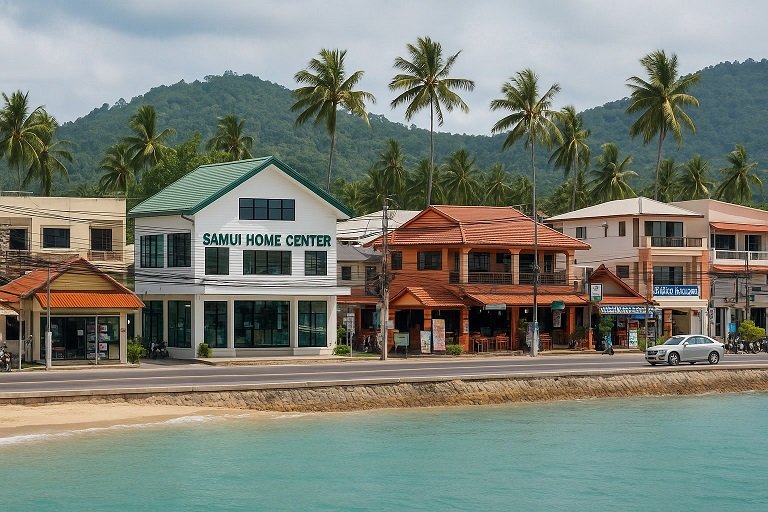
Thailand intensifies its crackdown on nominee companies hiding foreign ownership in key island tourism and property sectors
Image Credit: AI-Generated
According to DBD Director-General Poonpong Naiyanapakorn, the investigation extends beyond Surat Thani Province and is part of a nationwide crackdown on hidden ownership structures. This Bangkok Business News report highlights how the probe aims to ensure that Thailand’s most lucrative tourism assets remain under legitimate ownership and that the law governing foreign investments is strictly upheld.
A Threat to Transparency and the Economy
Nominee firms undermine economic transparency and threaten Thailand’s control over land, taxation, and investment policies. By masking foreign investors behind Thai proxies, such arrangements bypass restrictions on land ownership and distort fair market competition. The DBD’s latest campaign sends a strong message to both local and international investors that compliance and transparency are non-negotiable.
Despite these challenges, Thailand’s overall business environment remains robust. September recorded more than 8,000 new company registrations—a significant year-on-year increase—indicating steady investor confidence. The third quarter also saw a sharp rise in business openings, suggesting renewed optimism even as the authorities tighten oversight of the property and tourism sectors.
Focus on Island Investment Hotspots
Koh Samui and Koh Phangan have emerged as prime locations for luxury real estate, boutique resorts, and foreign-backed development projects. These picturesque islands, with their growing expatriate communities and strong tourism demand, have also become focal points for regulatory attention. The DBD noted that many small and mid-sized ventures have already crossed legal lines by using nominee structures to control businesses and assets indirectly.
Authorities plan to expand audits, demand ownership disclosures, and impose penalties or license revocations where violations are confirmed. The intention is to deter misuse of Thai nominees and ensure that all companies operating in the kingdom adhere to national investment laws.
Impact on Future Investors
For genuine investors, the DBD’s actions mark a critical shift toward greater transparency. The message is clear: legitimate ventures with proper documentation and ownership records will continue to find Thailand an attractive destination, while those relying on loopholes will face increasing risk.
This renewed enforcement effort demonstrates Thailand’s determination to balance foreign participation with national sovereignty. By cleaning up the nominee system, the country seeks to build a more sustainable and credible investment landscape. If executed effectively, this could strengthen investor trust and reinforce Thailand’s image as a fair and transparent economy committed to lawful growth.
According to the officials, they will be targeting companies and businesses in Bangkok, Phuket, Chonburi and other provinces next.
For the latest on Thai companies and foreigners using nominees, keep on logging to Bangkok Business News



