


What To Know
- Thailand’s real estate sector is being reshaped by a combination of heavy household debt, stricter lending rules, and weaker consumer confidence, creating an environment very different from the boom years of the past decade.
- In Bangkok and surrounding provinces, the slowdown is sharper, with new-build transfers projected to drop by as much as twenty percent as buyers face difficulties qualifying for mortgages.
Bangkok Business News: Real Estate Industry Enters a Period of Hard Adjustment
Thailand’s real estate sector is being reshaped by a combination of heavy household debt, stricter lending rules, and weaker consumer confidence, creating an environment very different from the boom years of the past decade. Developers who once relied on large-scale mass-market launches are now being pushed toward tighter financial discipline and far more focused planning to stay afloat. As reflected in this Bangkok Business News report, the coming years will test the industry’s ability to adapt as both buyers and lenders grow significantly more cautious.
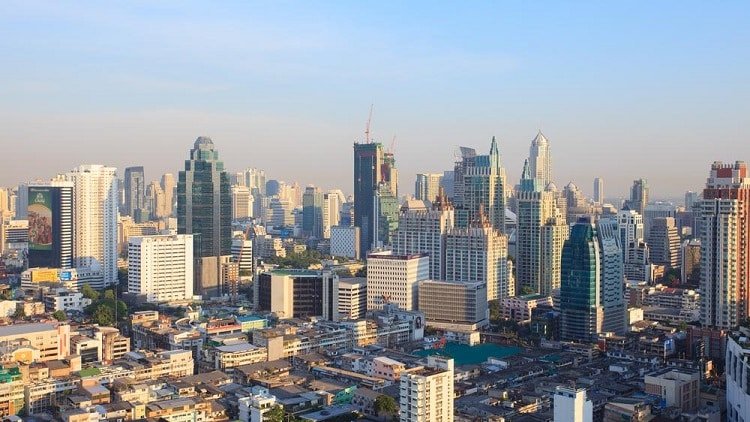
Developers rethink strategies as Thailand’s property market enters a long slowdown.
Image Credit: StockShots
Analysts Warn of a Multi-Year Contraction
Experts from Kiatnakin Phatra Financial Group have outlined a sobering outlook, noting that nationwide transfers are expected to fall another six percent in 2025 after plunging fifteen percent in 2023. In Bangkok and surrounding provinces, the slowdown is sharper, with new-build transfers projected to drop by as much as twenty percent as buyers face difficulties qualifying for mortgages. Household debt at nearly ninety percent of GDP continues to squeeze affordability, while financial institutions apply stricter screening to avoid riskier loans. These pressures have resulted in buyers delaying decisions, leaving many developers rethinking project viability and scale.
Second Hand Market Becomes a Major Bright Spot
While new developments face headwinds, the resale segment is expanding rapidly. Pre-owned properties accounted for fifty-six percent of transfers this year, up dramatically from before the pandemic. The strongest demand sits in the sub three-million-baht range, drawing younger buyers seeking established locations and easier financing. Many major developers have begun moving into buy-renovate-sell strategies, targeting older two-bedroom condominiums in areas such as Watthana, Chatuchak, Huai Khwang, and Khlong Toei, where resale turnover remains healthy and renovation margins are attractive.
Pressure Mounts Across Every Segment
Condos have seen a sharp decline, with sales down twenty-eight percent as rising living costs, slow foreign demand recovery, and recent seismic concerns lower confidence. Townhouses, a segment often driven by families purchasing for long-term use, have been heavily affected by strict mortgage approvals, resulting in high rejection rates. Even luxury properties, historically considered resilient, now carry five to six years of unsold stock. Analysts believe the only way forward is through smaller, more targeted projects, cautious land acquisition, and a strategic shift toward markets with proven demand rather than speculative expansion. A meaningful recovery may take time as both lenders and households seek stability before returning to the market with confidence.
For the latest on Thailand’s property market, keep on logging to Bangkok Business News.