

What To Know
- Thailand is tightening its grip on online advertising with a new identity verification requirement designed to stop scammers from exploiting social media platforms.
- As highlighted in this Bangkok Business News report, the government wants to make it harder for fraudsters to hide behind anonymous advertising accounts while ensuring legitimate businesses remain accountable for their promotional activities.
Thailand is tightening its grip on online advertising with a new identity verification requirement designed to stop scammers from exploiting social media platforms. Under the government’s “No ID, No Ads” policy, individuals and businesses must verify their identities before publishing paid advertisements targeting Thai consumers.

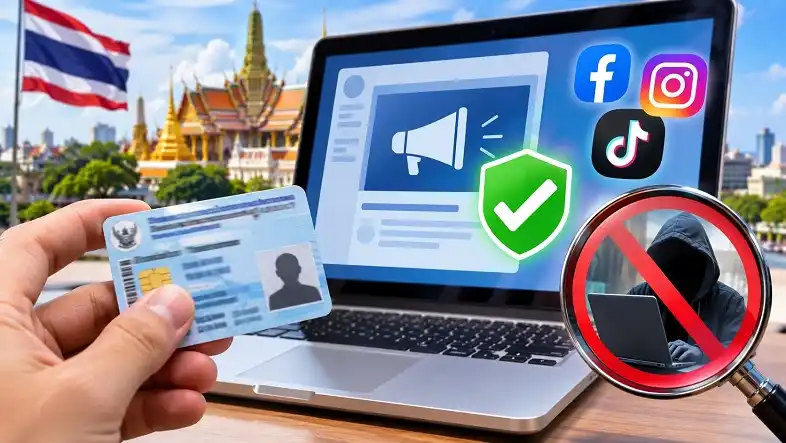
Image Credit: Bangkok Business News
The regulations, scheduled to take effect on November 1, represent a significant shift in how digital advertising operates across Thailand. As highlighted in this Bangkok Business News report, the government wants to make it harder for fraudsters to hide behind anonymous advertising accounts while ensuring legitimate businesses remain accountable for their promotional activities.
Major Social Media Platforms Face New Obligations
Deputy Government Spokesperson Lalida Persvivatana clarified on October 25 that the requirements extend beyond Meta’s Facebook and Instagram platforms. TikTok and other covered social media services must also comply.
The Ministry of Digital Economy and Society, headed by Minister Chaichanok Chidchob, believes stronger advertiser identification will improve transparency and help investigators trace fraudulent campaigns.
Importantly, ordinary social media posts remain unaffected. The regulations specifically target paid advertising rather than everyday online communication.
Businesses and Foreign Advertisers Must Verify Identities
Advertisers can complete verification using government-issued identification documents or approved digital identity services. Foreign businesses targeting Thai audiences must also comply, although qualifying overseas documents can be accepted without requiring representatives to visit Thailand.
Corporate advertisers may need to submit business registration documents alongside identification for authorized representatives.
Advertising agencies and individuals managing sponsored campaigns for clients could face similar requirements, depending on their responsibilities.
Businesses that completed qualifying verification within the previous year may avoid repeating the process for individual campaigns.
Platforms Face Liability and Recordkeeping Requirements
Social media companies must retain advertiser identification records for at least 90 days after advertising services end. Information about third parties financing advertisements must also be preserved when applicable.
Platforms failing to fulfill their legal obligations could potentially share liability for financial losses linked to technology-related crimes, although responsibility will depend on individual circumstances and applicable legislation.
Authorities plan to monitor verification compliance, fraudulent advertising complaints and platform response times.
Crackdown Follows Major Investment Scam Arrests
The policy follows growing concern about online investment fraud. Thai police recently arrested 39 suspects allegedly connected to a network that attracted victims through Facebook advertisements promising exceptionally high returns.
Officials advise consumers encountering suspicious advertisements to preserve screenshots, links and payment records before reporting incidents. Victims should immediately contact their banks, notify the relevant platforms and call Thailand’s anti-online scam hotline at 1441.
Stronger Protection, but Consumers Must Remain Alert
The new requirements could reshape Thailand’s digital advertising landscape by making anonymous promotional campaigns harder to operate. However, verified identities do not guarantee legitimate products or government endorsement. Businesses must prepare their documentation, while consumers should continue scrutinizing suspicious offers.