

What To Know
- Thailand is now one of the leading countries with too many public holidays in a year, making it a highly unproductive nation.
- In recent years, the Thai government which is already an entity that is well known for red tapes and an unproductive civil service, has introduced a growing number of public holidays, initially aimed at boosting domestic tourism and consumer spending.
Bangkok Business News: Concerns Mount Over Productivity and Cost Issues
Thailand, once regarded as a key manufacturing hub for global firms seeking a strategic foothold in Southeast Asia, is now losing its appeal. Investors are increasingly turning to neighboring countries such as Vietnam, Indonesia, and Malaysia, citing rising labor costs, declining productivity, and a business environment hampered by excessive public holidays.

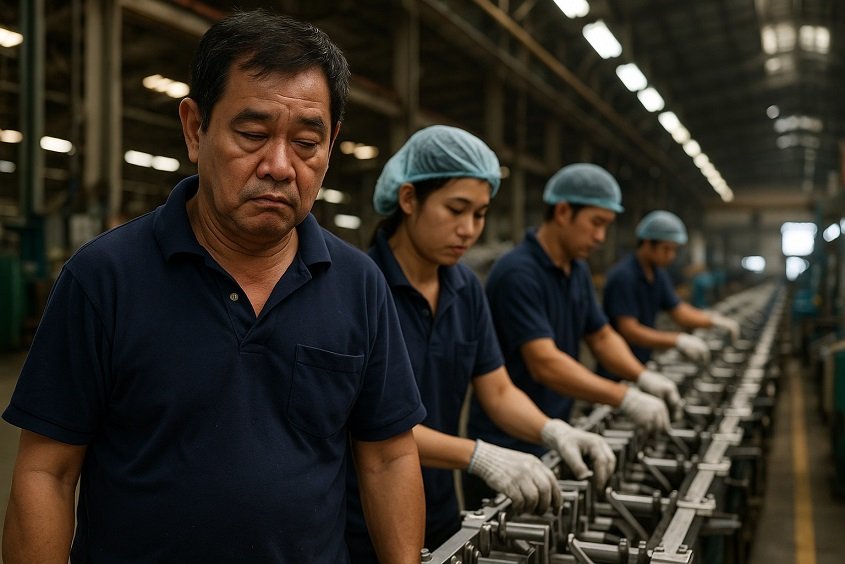
Thailand is now one of the leading countries with too many public holidays in a year, making it a highly unproductive nation.
Image Credit: AI-Generated
These factors are reshaping the perception of Thailand as one of the region’s most unproductive economies.
In recent years, the Thai government which is already an entity that is well known for red tapes and an unproductive civil service, has introduced a growing number of public holidays, initially aimed at boosting domestic tourism and consumer spending. However, industry leaders argue that this has had the opposite effect on manufacturing output, causing delays, supply chain disruptions, and missed delivery deadlines. This Bangkok Business News report highlights that foreign companies are becoming increasingly frustrated as productivity levels fail to meet global standards. Many have started considering relocating operations to more competitive markets.
Rising Labor Costs Add to the Strain
While productivity is slipping, wages in Thailand are steadily climbing. Manufacturers face increasing pressure to balance higher payroll expenses with declining efficiency. For foreign firms, this widening gap between cost and performance is untenable, especially when alternative destinations offer both lower wages and a stronger work ethic.
Critics note that the cultural acceptance of slower work paces, combined with frequent government-mandated holidays, has created a cycle of underperformance. The problem is not limited to the public sector; the private sector is increasingly forced to adopt similar patterns, reducing its ability to compete on an international scale.
Foreign Investors Seek More Reliable Environments
Investment analysts say that multinational corporations prioritize predictability, cost efficiency, and timely production when deciding where to set up manufacturing bases. In this regard, Thailand is falling behind. Countries like Vietnam have gained a reputation for being more agile, disciplined, and willing to adapt to the demands of global supply chains, while also offering a competitive wage structure.
Industrial associations in Thailand have repeatedly warned the government that excessive holidays, combined with rising costs, are eroding investor confidence. Yet, these concerns have so far gone largely unaddressed, as policymakers focus on short-term domestic economic stimulation rather than long-term industrial competitiveness.
A Critical Moment for Thailand’s Manufacturing Future
The decline in Thailand’s manufacturing appeal is not irreversible, but it will require a significant shift in government policy and workplace culture.
Streamlining public holiday schedules, improving workforce training, and aligning labor costs with productivity levels could restore the country’s competitive edge. Without these changes, foreign companies may increasingly view Thailand as a high-cost, low-output location, choosing instead to relocate to nations with a more efficient business environment.
For now, the warning signs are clear—if Thailand continues down this path, its once-strong manufacturing sector risks a prolonged decline, impacting not only foreign investment but also domestic economic stability. Foreign companies are already watching closely, and many are prepared to move if conditions fail to improve.
For the latest on the manufacturing industry in Thailand, keep on logging to Bangkok Business News.