


What To Know
- In this Bangkok Business News report, it was noted that while a higher VAT rate could boost national income, timing and global trade factors will play a key role.
- The Thai government is once again planning to raise VAT rates as it faces a shortage of moniesImage Credit.
Bangkok Business News: Revenue Shortfall Triggers Fiscal Reforms
Thailand is facing mounting pressure to secure an additional 600 billion baht in tax revenue as current collections remain below those of comparable economies. Caretaker Finance Minister Pichai Chunhavajira revealed that state tax revenue accounts for just 15 percent of GDP, which is three points lower than regional peers. During the Fiscal Policy Office’s Fiscal Transformation seminar, he explained that the current VAT rate of 7 percent—below the mandated 10 percent—will expire in September. At that point, the government must weigh options for an increase. In this Bangkok Business News report, it was noted that while a higher VAT rate could boost national income, timing and global trade factors will play a key role.
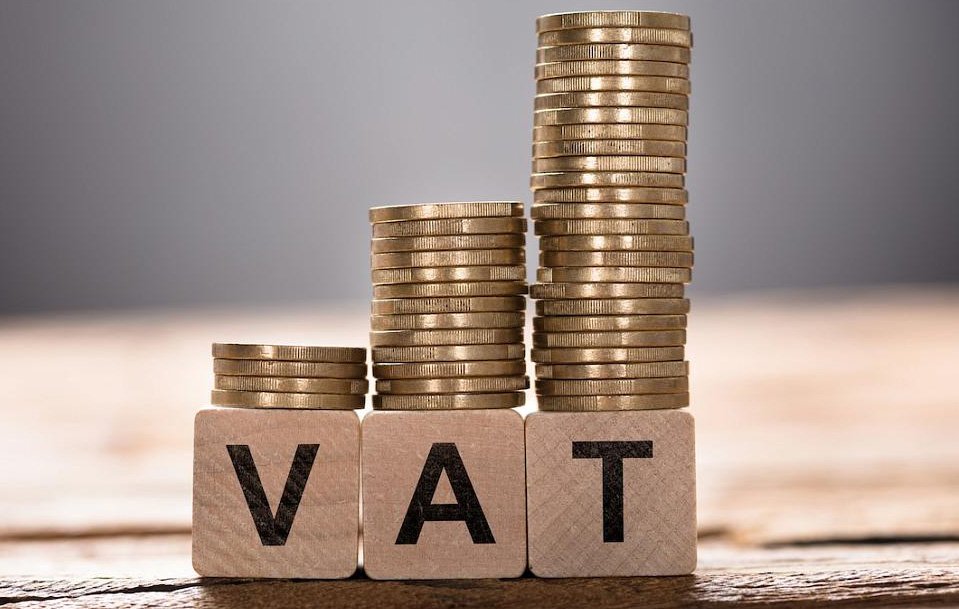
The Thai government is once again planning to raise VAT rates as it faces a shortage of monies
Image Credit: StockShots
VAT Adjustments and Debt Reduction Goals
Thailand’s VAT remains low compared to other nations, but policymakers are cautious about the economic climate and shifting U.S. tariff measures. Should the rate be raised, the government plans to channel new income into both debt reduction and support for small businesses. The administration is targeting a budget deficit of no more than three percent of GDP within one to two years after fiscal year 2026. Instead of slashing spending, officials may also boost funds by securitising state-owned assets, such as expressways and power transmission networks, estimated at nearly 2 trillion baht in value.
Driving Economic Expansion Through Investment
Pichai stressed that growth is equally important to revenue recovery. Thailand’s GDP expansion is projected at 2.3 percent this year, but stronger investment is seen as the long-term solution. Before the 1997 Asian Financial Crisis, investment stood at 51 percent of GDP, compared to just 24 percent in 2024. His proposal involves raising this figure to 30 percent, with 1 trillion baht coming from foreign direct investment and the rest from domestic private sector capital.
Challenges In Attracting Foreign Investors
Thailand’s ability to attract FDI has diminished due to global industrial shifts and its continued focus on traditional production. Concerns over land ownership have also discouraged potential investors. To counter this, the government is allowing 99-year leases through the Treasury Department. Infrastructure readiness is another issue, particularly in energy. While the country currently has a surplus of 30,000 megawatts of electricity, this cushion could be exhausted within three years if new FDI inflows accelerate. Plans are underway to scale up green energy capacity to secure future demand.
Path Toward Sustainable Growth
The Finance Minister concluded that by raising the investment-to-GDP ratio to between 30 and 35 percent, Thailand could unlock GDP growth of 4 to 5 percent annually. This strategy, combined with a potential VAT hike and securitisation of state assets, would not only strengthen public finances but also ensure that small businesses and employment opportunities remain supported. The next few months will be crucial as policymakers decide whether to implement tax reforms while balancing growth with social stability.
For the latest on the Thai economy, keep on logging to Bangkok Business News.