

What To Know
- American seafood accounts for a small slice of Thai imports, as Norway and Chile dominate the salmon market, leaving little risk of a major influx from US suppliers.
- The resilience of the industry will depend on how effectively Thai exporters adapt and whether policy negotiations can soften the blow of tariffs in the future.
Bangkok Business News: US Tariffs Hit Thai Seafood Hard
Thailand’s seafood industry is facing turbulent waters as new trade measures threaten to slash export earnings. The United States, Thailand’s largest seafood buyer, has imposed a 19 percent reciprocal tariff that could result in losses of up to 4.8 billion baht this year. Shrimp, tuna and other key exports are now under greater pressure, raising concerns for exporters who depend heavily on the American market. This Bangkok Business News report highlights how the tariff change is shaping the trade landscape for both nations.

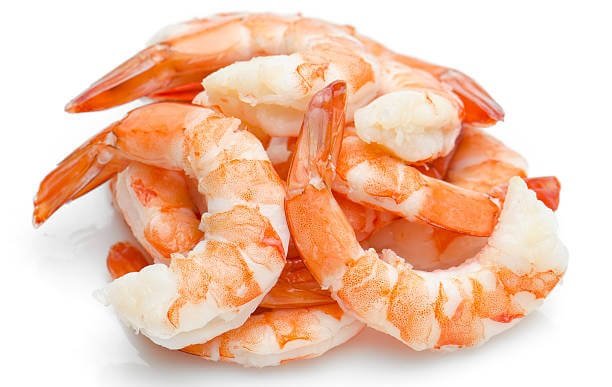
The Thai seafood industry is facing tough times as a result of the new American trade tariffs
Image Credit: StockShots
The Scale of Thailand’s Seafood Trade With US
For more than a decade, the US has stood as the world’s top seafood importer, averaging 3 million tonnes annually worth around 811 billion baht. Thailand has enjoyed a consistent trade surplus in this sector, averaging 40.55 billion baht between 2015 and 2024, with the surplus reaching 47.08 billion baht last year alone. Seafood exports to the US account for nearly 22 percent of Thailand’s overall fisheries trade, averaging 236,255 tonnes valued at 46.41 billion baht each year. Products such as shrimp, tuna, marine fish and seasonings dominate the export portfolio.
Competitive Pressures Mount
While the new 19 percent tariff mirrors rates faced by Indonesia and Vietnam, exporters fear demand will still weaken as costs climb. Ecuador enjoys a slightly lower tariff at 15 percent, while India faces the steepest rate at 25 percent. Analysts forecast that Thai exports could shrink by 5–10 percent in 2025, translating to a reduction of up to 24,641 tonnes and losses of nearly 4.82 billion baht in value.
Shrimp Industry Faces Extra Scrutiny
Thai shrimp exports face an additional challenge as anti-dumping reviews are scheduled for October 2025. Currently, shrimp carries an extra 0.81 percent duty, bringing the effective rate close to 20 percent. Authorities are considering a settlement option through a Changed Circumstance Review, which would involve paying US$10–12 million to permanently remove the anti-dumping charge. If successful, this could make Thai shrimp more competitive, but much depends on the upcoming review process.
Imports From US Have Limited Impact
Thailand also buys seafood from the United States, particularly salmon, Alaskan pollock and tuna. Most of these imports are already low-duty items, with frozen salmon exempt and salmon fillets taxed at only 5 percent. However, American seafood accounts for a small slice of Thai imports, as Norway and Chile dominate the salmon market, leaving little risk of a major influx from US suppliers.
Outlook For 2025 Trade Balance
In the first half of 2025, Thailand’s fisheries trade was valued at 187.22 billion baht, down slightly by 0.7 percent compared to last year. Exports stood at 109.55 billion baht, while imports totaled 77.66 billion baht, resulting in a trade surplus of 31.88 billion baht. The outlook remains uncertain, with exporters bracing for tighter profit margins and potential production cuts if demand in the US slows further.
The broader implications of these tariff changes are significant. While Thailand is not at a clear disadvantage compared with its regional competitors, the new costs could dampen US consumer demand and put long-term strain on local producers. The resilience of the industry will depend on how effectively Thai exporters adapt and whether policy negotiations can soften the blow of tariffs in the future. For now, the fisheries sector must navigate carefully through this uncertain trade environment and brace for a year of adjustments.
For the latest on Thailand seafood exports, keep on logging to Bangkok Business News.