


What To Know
- Industry officials pointed to the ongoing conflict in the Middle East as one of the major reasons behind the decline in factory activity.
- Businesses are now hoping for stabilizing energy prices, stronger domestic spending and a rebound in tourism to support a more sustained recovery in the coming months.
Bangkok Business News: Manufacturing Weakness Returns
Thailand’s manufacturing sector faced another setback in April after factory output unexpectedly declined, raising fresh concerns over the country’s industrial recovery as businesses struggle with rising global tensions and increasing production expenses.
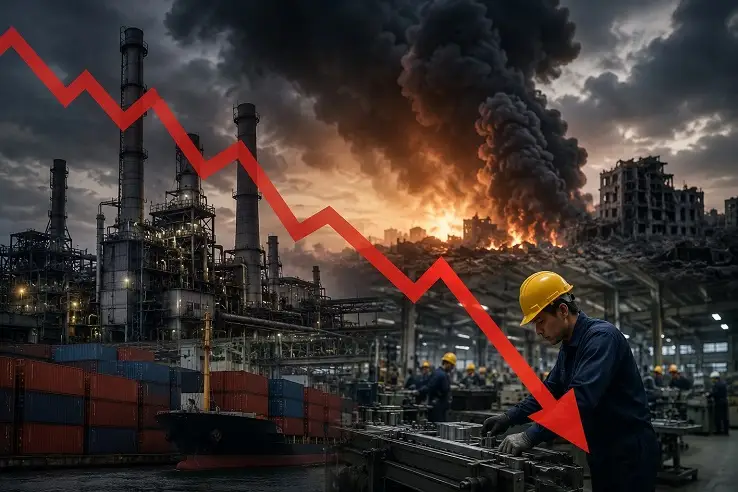
Image Credit: Bangkok Business News
The Ministry of Industry reported that the manufacturing production index fell 0.36% in April compared with the same period last year. The figure came in below expectations from economists surveyed by Reuters, who had forecast a modest 0.2% increase following March’s stronger 1.3% expansion. Analysts say the weaker reading reflects the fragile state of Thailand’s industrial sector amid slowing demand and higher operating costs. In the middle of these growing economic concerns, this Bangkok Business News report highlights that manufacturers are now under pressure from volatile fuel prices, elevated logistics expenses and shrinking profit margins across several industries.
Middle East Conflict Adds Pressure
Industry officials pointed to the ongoing conflict in the Middle East as one of the major reasons behind the decline in factory activity. The war has contributed to higher energy and transportation costs, forcing many producers to absorb additional expenses while facing softer market demand.
Several businesses have also experienced rising costs for imported raw materials and supply chain disruptions, further weakening industrial confidence. Small and medium-sized factories are believed to be among the hardest hit as they struggle to manage operating expenses while maintaining competitiveness.
Tourism Slowdown Hurts Related Industries
Thailand’s tourism sector, which plays a critical role in supporting the broader economy, has also shown signs of slowing momentum. The weaker tourism environment has started to affect industries linked to travel and consumer spending, including food manufacturing, retail production, hospitality suppliers and transport services.
Officials stated that manufacturing output during the first quarter still recorded annual growth of 0.94%. The ministry also expressed cautious optimism that factory activity in May could improve on a month-to-month basis as seasonal business activity increases.
Lower Forecast Raises Concerns
The government has now revised its full-year manufacturing growth forecast downward to between 1% and 2%, compared with the previous estimate of 1.5% to 2.5%. Economists warn that prolonged geopolitical uncertainty, combined with high production costs and weaker tourism activity, could continue weighing heavily on Thailand’s industrial sector throughout the remainder of the year. Businesses are now hoping for stabilizing energy prices, stronger domestic spending and a rebound in tourism to support a more sustained recovery in the coming months.
For the latest on the Thai economy news, keep on logging to Bangkok Business News.



