


What To Know
- In a sweeping crackdown intended to dismantle scam networks, the Bank of Thailand (BOT) has frozen millions of bank accounts nationwide in recent weeks.
- This Bangkok Business News report reveals how critics accuse authorities of overreach and incompetence, warning that the sweeping measures are crippling SMEs, microbusinesses, and their workers who depend on swift financial flows to keep operations alive.
Bangkok Business News: Crackdown Turns into Economic Disruption
In a sweeping crackdown intended to dismantle scam networks, the Bank of Thailand (BOT) has frozen millions of bank accounts nationwide in recent weeks. Officials insist the move targets “mule accounts” used by fraudsters to launder illicit funds and that the action is necessary to recover assets for scam victims. Yet the impact has stretched far beyond criminals, ensnaring ordinary citizens, foreign residents, and most worryingly, businesses of every size across Thailand.
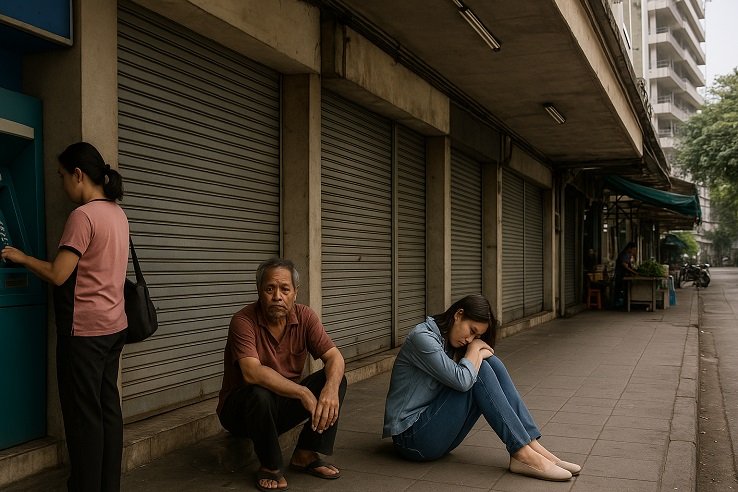
Banking freeze leaves Thai SMEs, microbusinesses and workers stranded without access to their money
Image Credit: AI-Generated
As daily transfer limits tighten and more accounts fall under scrutiny, frustration is rising sharply. This Bangkok Business News report reveals how critics accuse authorities of overreach and incompetence, warning that the sweeping measures are crippling SMEs, microbusinesses, and their workers who depend on swift financial flows to keep operations alive.
Businesses Left in Financial Limbo
Thailand lost an estimated 6 billion baht (around $160 million USD) to fraudulent transfers in the second quarter of 2025, with 24,500 reported victims. In response, authorities froze about 3 million accounts linked to 177,000 suspected mule accounts, while imposing strict daily transfer caps ranging between 50,000 and 200,000 baht. Reports now suggest the number of frozen accounts could be approaching a staggering 20 million.
The BOT Governor, Sethaput Suthiwartnarueput, insists the measures are “targeted and temporary.” However, the situation on the ground paints a darker picture. From family-run jewelry shops and freelance designers to provincial factories and digital startups, businesses large and small are being suffocated by financial paralysis. SMEs, which account for more than 90 percent of employment in Thailand, are among the hardest hit.
Workers Unable to Access Their Pay
The banking freeze has had devastating consequences for workers. Many employees in retail, manufacturing, hospitality, and service industries report being unable to withdraw wages. Some cannot pay rent, buy food, or afford transport. Others have seen accounts re-frozen even after clearance, eroding any sense of security. For microbusinesses already struggling after the pandemic, staff shortages and halted cash flow have pushed some enterprises to the brink of collapse.
A Bangkok-based tailor said he was unable to pay his three assistants for two weeks because the business account was locked. In provincial towns, daily wage laborers reported skipping meals and borrowing from neighbors as their salaries remained stuck in inaccessible bank accounts. The crisis has created ripple effects across local economies where small businesses form the backbone of community survival.
Kafkaesque Red Tape
Authorities claim resolving mistaken freezes is simple, requiring police clearance or affidavits. But affected businesses describe a nightmare of endless queues, contradictory paperwork demands, and unanswered hotlines. Bangkok Bank, serving more than 17 million customers, has been singled out for sluggish responses. Some customers were told simply to “wait,” leaving them unable to trade for weeks.
International buyers, meanwhile, are growing wary of transferring money into Thai accounts. Small exporters say foreign clients now hesitate, fearing entanglement in local freezes. This uncertainty is further eroding confidence in Thailand’s financial environment, with buyers looking instead toward competitors in Vietnam or India.
Expatriates and Digital Entrepreneurs Locked Out
The freeze has also trapped expatriates tied to local businesses. Since May, Bangkok Bank has frozen accounts lacking proper visas, citing compliance rules. Retirees, investors, and digital entrepreneurs have found themselves unable to access pensions, pay staff, or receive international transfers.
In Hua Hin, a British retiree supporting jewelry workshops saw his account frozen for two months pending verification. Digital entrepreneurs selling Thai jewelry on platforms like Etsy and Amazon turned to fintech services such as Wise and Revolut, but restrictions and fees make scaling impossible. The freeze has amplified concerns among foreigners about investing, retiring, or even relocating to Thailand.
Accusations of Favoritism
While small-scale operators struggle, allegations of favoritism abound. Critics argue that ordinary accounts are scrutinized for minor sums, while major corporations, political families, and wealthy elites appear untouched. Opposition voices have labeled the freeze as “class warfare,” reinforcing public distrust. For SMEs that already face tough competition from overseas, this sense of unequal treatment deepens frustration and weakens confidence in regulatory institutions.
Rise of Cash and Crypto Workarounds
In response, businesses are reverting to cash transactions or experimenting with cryptocurrency. In gem-trading hubs like Chanthaburi, many now operate cash-only, while others explore stablecoins or crypto-to-cash swaps to manage foreign trade. Thailand’s pilot crypto kiosks, originally designed for tourists, are seeing increased use among jewelry traders seeking liquidity.
Yet experts warn that reliance on cash increases theft risks, while crypto exposes businesses to volatility and legal uncertainty. Still, for many SMEs, these alternatives represent the only available lifeline.
Eroding Thailand’s Global Reputation
The banking freeze threatens not only domestic livelihoods but also Thailand’s image as a reliable hub for trade and investment. International clients in sectors from gems to manufacturing are questioning the predictability of doing business in Thailand. SMEs and microbusinesses, which account for more than a third of GDP, face the risk of collapse if financial access is not restored.
A Bangkok-based business consultant cautioned, “Thailand’s credibility in global trade is at stake. If foreign partners cannot trust our banking system, they will look elsewhere. This is not just about freezing scam accounts—it’s about whether we remain open for business.”
Political Undercurrents and Growing Distrust
Many Thais are withdrawing savings en masse, fearing further freezes. Some customers have reported that accounts unfrozen after review were locked again weeks later. Expats living in Thailand, especially retirees dependent on monthly transfers, continue to struggle with frozen funds and little sympathy from bank staff. Allegations are mounting that the freeze was politically driven under the Pheu Thai–led government, fueling further distrust.
For foreigners considering retirement, digital nomads eyeing relocation, or investors weighing property purchases, the crisis sends a chilling message. The unpredictability of financial access may discourage long-term commitment to Thailand’s economy at a time when global competition for capital and talent is intensifying.
A Looming Warning for Thailand’s Economy
The banking freeze highlights deep flaws in crisis management and communication between regulators, banks, and citizens. While targeting scams is vital, the blanket approach has created disproportionate harm. SMEs, microbusinesses, and workers—already fragile after pandemic shocks—are bearing the brunt of poorly executed policies.
If urgent reforms are not made, the freeze may accelerate capital flight, weaken investor confidence, and damage Thailand’s reputation as a stable business environment. The cost could extend far beyond the immediate freeze, reshaping the future of industries like gems, jewelry, manufacturing, and tourism that depend on seamless financial flows.
Thailand must act swiftly to restore trust. The alternative is a legacy of instability that undermines both domestic resilience and international competitiveness. Unless balance is found between crime prevention and economic survival, the country risks trading security for stagnation—a gamble too costly for millions of ordinary people and businesses who call Thailand home.
Media References:
https://www.thairath.co.th/news/crime/2882695
https://thethaiger.com/news/national/bank-of-thailand-tackles-mule-account-freeze-impact https://www.reddit.com/r/Bangkok/comments/1n5qjcy/bangkok_bank_account_crackdown_a_researched
https://www.nationthailand.com/news/general/40055395
https://www.facebook.com/groups/lifeinhuahin/posts/2262789167512017 https://fosrlaw.com/2025/thailand-visa-crackdown-2025/
https://www.youtube.com/watch?v=ocjl_T8iJIk
https://portail-asie.com/en/bangkok-bank-account-frozen-in-thailand
And for the latest on the declining Thai economy, keep on logging to Bangkok Business News.



