


What To Know
- According to a spokesman from the Federation of Thai Industries (FTI) Auto Parts Industry Club, the sector is closely tracking developments on both the tariff front and the fluctuating steel market.
- “We are monitoring the progress of the reciprocal and auto parts tariffs,” He said, adding that these trade measures are delivering a dual blow to the industry.
Bangkok Business News: Mounting Pressure from US Tariffs
Thailand’s automotive parts sector is bracing for a series of crippling external shocks as escalating US trade policies and rising global steel prices threaten to derail exports and undermine industry stability. Industry leaders warn that the latest tariffs imposed by Washington—particularly those targeting foreign automobiles and essential vehicle components—could devastate local manufacturers and dent the country’s economic output.
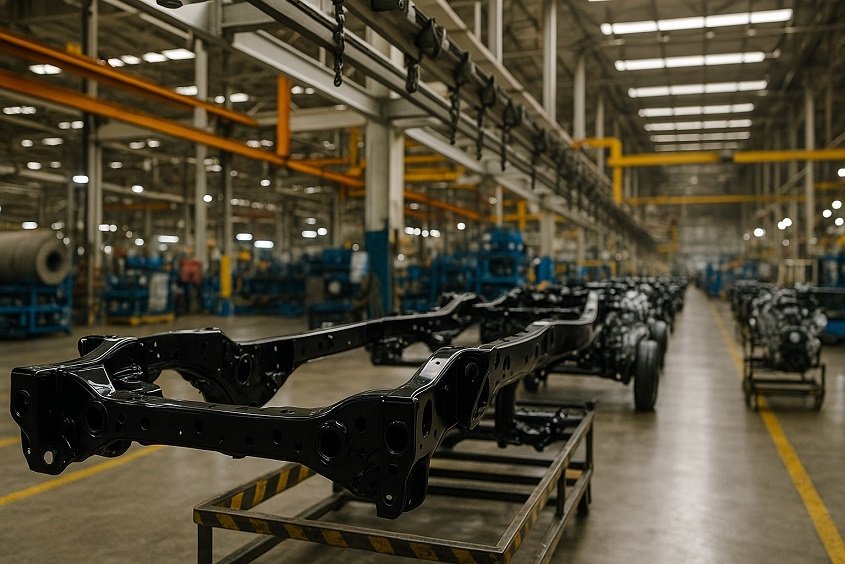
Thai auto parts industry in for a turmoil
Image Credit: AI-Generated
In early April, US President Donald Trump implemented a sweeping 25% tariff on foreign-made vehicles. This was soon followed, on May 3, by another 25% duty covering critical auto parts like engines and transmissions. Thailand’s auto parts industry, which exports extensively to global markets including the United States, is now confronting severe disruptions. This Bangkok Business News report reveals that the full impact may be more severe than initially anticipated, especially for businesses with indirect exposure through global vehicle supply chains.
FTI Sounds the Alarm
According to a spokesman from the Federation of Thai Industries (FTI) Auto Parts Industry Club, the sector is closely tracking developments on both the tariff front and the fluctuating steel market. “We are monitoring the progress of the reciprocal and auto parts tariffs,” He said, adding that these trade measures are delivering a dual blow to the industry.
Recent data from Thai Customs and the Ministry of Commerce show that in 2024, Thailand exported motor vehicles, accessories, and auto parts worth approximately US$2.90 billion to the US. In just the first five months of 2025, this number has already reached US$766 million—figures now under threat due to the US tariff hikes. On July 7, the US formally notified Thailand of a new 36% reciprocal tariff on Thai imports, effective August 1. This move is expected to further complicate Thailand’s export landscape, even though sector-specific tariffs are still under review.
Ripple Effects Across Global Supply Chains
Even Thai manufacturers who don’t export directly to the US may suffer. If the countries that buy Thai auto parts use them to assemble vehicles for the American market, those Thai firms face indirect exposure to the 25% automobile tariff. Many warn that these trade barriers will slow exports, reduce GDP growth, and hit the domestic economy hard—especially since 90% of locally made auto parts are used in pickup truck assembly, a segment already experiencing soft demand.
Steel Prices Add Fuel to the Fire
Further compounding the problem is the looming volatility in global steel prices. In June, Japan’s Nippon Steel finalized its $14.9 billion acquisition of US Steel after an 18-month negotiation. Industry insiders fear this deal could inflate global steel prices, triggering a domino effect where higher material costs lead to slowed vehicle assembly and slashed demand for auto parts.
As Thailand’s auto sector teeters under pressure from both trade barriers and input costs, industry leaders are urging swift government action to cushion the blow. Without targeted support measures, they warn, the long-term viability of one of Thailand’s key industrial pillars could be at serious risk.
The coming months will be critical in determining whether Thailand’s auto parts industry can weather this economic storm or be forced into painful contractions.
For the latest on the Thai auto industry and news, keep on logging to Bangkok Business News.