

What To Know
- This Bangkok Business News report highlights that the decision comes as non-performing loans (NPLs) in the retail segment, especially in credit cards and personal loans, continue to climb, putting pressure on the bank’s balance sheet.
- Thailand’s household debt-to-GDP ratio is among the highest in Asia, and the surge in consumer borrowing during the pandemic years has left many individuals struggling to repay.
Bangkok Business News: SCB Moves to Restructure Retail Operations
Siam Commercial Bank (SCB) has begun a significant restructuring of its retail banking operations as household and personal debt levels in Thailand reach alarming heights. The bank confirmed it will reduce the size of its retail unit and reallocate resources toward stronger-performing sectors such as wealth management and corporate banking. This Bangkok Business News report highlights that the decision comes as non-performing loans (NPLs) in the retail segment, especially in credit cards and personal loans, continue to climb, putting pressure on the bank’s balance sheet.

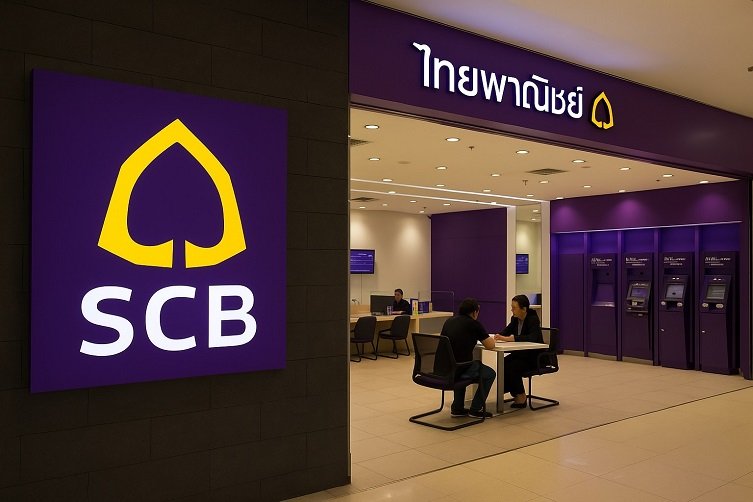
SCB restructures retail banking operations as Thailand’s household debt crisis intensifies
Image Credit: AI-Generated
Rising Household Debt Puts Pressure on Banks
Thailand’s household debt-to-GDP ratio is among the highest in Asia, and the surge in consumer borrowing during the pandemic years has left many individuals struggling to repay. SCB executives acknowledged that a growing number of borrowers remain at risk of default, particularly as interest rates stay elevated and economic growth remains uneven. To shield itself from further exposure, SCB is scaling down retail lending and instead emphasizing financial services that carry lower default risks and more sustainable profit margins.
Focus Shifts to High Value Segments
The bank’s strategic pivot will see more investment directed toward its wealth management services and corporate clients. These areas are considered less vulnerable to systemic shocks and provide greater potential for long-term growth. By narrowing the focus, SCB hopes to strengthen its financial resilience and reassure shareholders that it can adapt to Thailand’s shifting economic realities. At the same time, it is working closely with regulators and government initiatives designed to stabilize consumer debt and reduce the risk of widespread defaults.
Industrywide Implications
SCB’s restructuring move is a signal to the broader financial sector that debt risks must be managed more aggressively. Other Thai banks are expected to follow suit, adjusting their lending strategies and tightening credit approval standards. Analysts warn that consumer purchasing power could weaken further if banks collectively scale back on retail lending, but they also agree the sector must prioritize stability over short-term expansion. For many households, this could mean stricter borrowing conditions in the near future.
Outlook for Thai Banking
The changes at SCB mark a turning point in Thailand’s retail banking landscape. While the bank continues to provide services to consumers, its clear shift away from risky lending highlights just how serious the household debt crisis has become. For the economy, the move may create challenges for consumer-driven growth, but for financial stability, it could help prevent a deeper credit crisis from unfolding. The coming months will reveal whether SCB’s pivot inspires competitors to adopt similar strategies, or whether some banks will continue taking risks to capture market share. In either case, the pressure from rising debt levels ensures that Thailand’s retail banking environment will remain under close watch.
SCB’s restructuring underscores how banks are bracing for long-term shifts in consumer behavior, debt management, and credit quality. The transition is not without risks, but in the face of mounting financial vulnerabilities, bold steps may be the only way to secure lasting stability in Thailand’s banking sector. The retail unit cuts may spark short-term disruptions, but they are intended to preserve SCB’s strength for the future and protect its role in the country’s financial system.
For the latest on the Thai economy, keep on logging to Bangkok Business News.