


What To Know
- In a high-stakes effort to turn around its chip woes, Samsung’s foundry division is banking on the mass production of advanced 2-nanometer mobile chips in the second half.
- Samsung is also losing ground in the memory chip sector, especially to SK Hynix, which has overtaken it in high bandwidth memory (HBM) — a key component in AI computing.
International Business News: Samsung’s Shock Earnings Drop Despite Solid Mobile Sales
Samsung Electronics has reported a sharp slump in second-quarter profits, triggering widespread concern across global tech markets. The South Korean tech titan saw its operating profit nosedive by nearly 55% year-on-year to 4.7 trillion Korean won (USD 3.38 billion), well below analyst expectations of 5.33 trillion won. The financial blow was primarily inflicted by a staggering 93.8% collapse in profits from its critical Device Solutions division, which includes its once-dominant memory chip business.
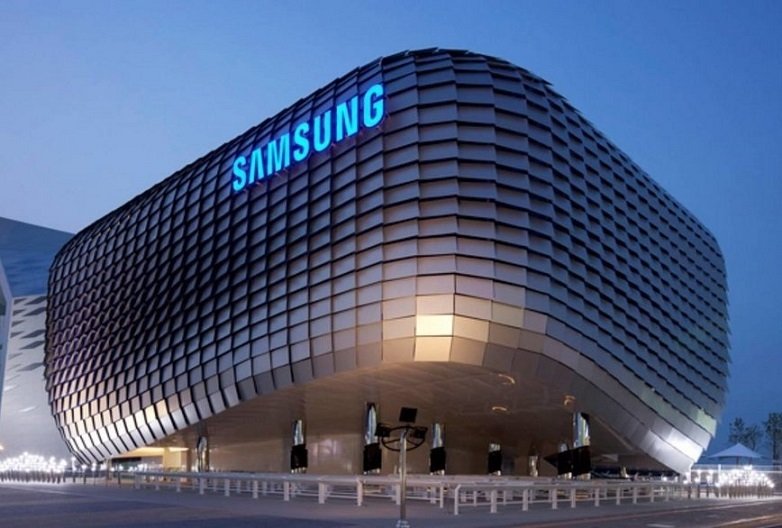
Samsungs reports a downturn in business profits
Image Credit: Samsung
The company’s total revenue for the quarter stood at 74.6 trillion won (USD 53.5 billion), slightly above last year’s 74.07 trillion won and just ahead of its internal forecast. However, this International Business News report notes that these numbers barely mask the deepening crisis in Samsung’s core chip and semiconductor units. Shares fell as much as 1.65% in trading following the announcement.
Chip Meltdown Threatens Core Business
Samsung’s chip division, once the cornerstone of its global dominance, posted a second-quarter operating profit of just 400 billion won — a dramatic fall from 6.45 trillion won a year ago. Revenue from chips also dipped slightly to 27.9 trillion won. The company blamed the decline on inventory value adjustments in memory and costs linked to export restrictions involving China.
Still, Samsung remains hopeful. Chief financial officer Soon-cheol Park projected a recovery later this year, spurred by the growing momentum in AI and robotics. He stated, “We anticipate a rebound in our performance in the second half… with earnings expected to improve steadily.”
Foundry Business Hangs in the Balance
In a high-stakes effort to turn around its chip woes, Samsung’s foundry division is banking on the mass production of advanced 2-nanometer mobile chips in the second half. A $16.5 billion chip supply deal with Tesla — expected to be fulfilled at Samsung’s upcoming fab in Taylor, Texas — could also inject new life into its foundry business. Elon Musk confirmed the deal, hinting it may expand further in scale.
Despite the big-ticket partnership, experts warn that high production costs in the U.S. could limit the profitability of the venture. Neil Shah of Counterpoint Research described Samsung’s foundry segment as being at a “critical juncture between survival and profitability.”
Memory Market Leadership Under Threat
Samsung is also losing ground in the memory chip sector, especially to SK Hynix, which has overtaken it in high bandwidth memory (HBM) — a key component in AI computing. Both firms are now neck-and-neck in global memory revenues, according to Counterpoint Research.
Samsung is scrambling to have its next-generation HBM certified by Nvidia, but analysts believe SK Hynix will maintain its edge through year-end. In response, Samsung plans to focus on AI-driven semiconductor development to claw back market share in the coming quarters.
Smartphone Division Offers a Ray of Hope
Amidst its chip sector chaos, Samsung’s smartphone and device sales offered a rare bright spot. The Mobile Experience division posted an operating profit of 3.1 trillion won, up from 2.23 trillion won last year. Sales were driven by the Galaxy S25 and A series smartphones, as well as tablets.
Looking forward, the firm intends to emphasize its flagship foldable phones and AI-powered mid-range devices in hopes of gaining more global market share. Samsung currently leads the global smartphone market with a 19% unit share, largely due to Galaxy A series sales.
Daniel Araujo, vice president of Samsung’s Mobile Experience unit, acknowledged some headwinds in global demand due to inflation and tariff concerns but noted that premium segments are likely to grow in emerging markets.
Samsung’s immediate future depends on whether its semiconductor and foundry investments can reverse losses while sustaining mobile momentum. The next two quarters may define the company’s trajectory for years to come.
For the latest International Business News, keep on logging to Bangkok Business News.



