


What To Know
- Rising geopolitical tensions linked to the Iran conflict are casting a long shadow over Thailand’s industrial sector, with mounting fears that a surge in global oil prices could trigger widespread economic strain.
- While the risks posed by the Iran conflict are substantial, proactive adaptation and strategic planning could help mitigate the damage and position key industries for future growth in an increasingly unpredictable global economy.
Bangkok Business News: Rising geopolitical tensions linked to the Iran conflict are casting a long shadow over Thailand’s industrial sector, with mounting fears that a surge in global oil prices could trigger widespread economic strain. The Office of Industrial Economics (OIE) has warned that Thailand may face a significant contraction in industrial output if energy costs spiral in the coming months.
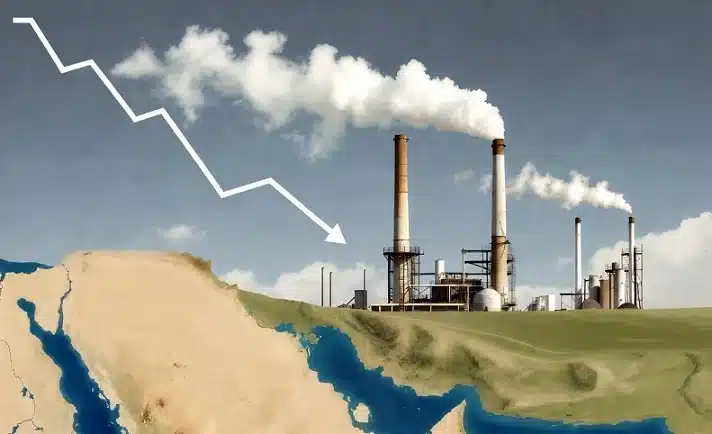
Image Credit: Bangkok Business News
The primary concern centers on potential disruptions in the Middle East, particularly involving the Strait of Hormuz, a crucial global oil transit route responsible for about 20% of daily oil flows. Any closure or restriction along this channel would send shockwaves through global supply chains. This Bangkok Business News report underscores that Thai industries are increasingly vulnerable to external volatility, especially as logistics and fuel costs climb rapidly.
Oil Price Spike Threatens Stability
OIE projections indicate that if crude oil prices rise from US$60–70 per barrel to US$100–105, Thailand’s industrial GDP could shrink by Bt10–12 billion. In a worst-case scenario, prolonged instability could drive prices up to US$150 per barrel, placing enormous pressure on manufacturers and exporters.
Higher oil prices would directly impact production costs, particularly in transportation and logistics. Freight charges and cargo insurance premiums could surge by as much as 50% to 140%, creating a ripple effect across multiple industries.
Energy-Intensive Sectors Under Strain
Industries with heavy energy consumption are expected to be the hardest hit. Cement, glass, ceramics, and petroleum sectors face the greatest exposure, while textiles and paper manufacturing are also at risk. The petrochemical industry, reliant on feedstocks like naphtha and ethylene, will likely see costs escalate sharply.
On the other hand, sectors such as electronics, automotive manufacturing, and electrical appliances are less energy-dependent and may experience only limited impact.
Silver Linings in a Volatile Market
Even amid uncertainty, some industries could benefit from shifting demand patterns. Food and beverage producers may gain as consumers focus on essentials, while the push toward electric vehicles and hybrid technologies could accelerate.
Additionally, natural rubber may see increased demand as synthetic alternatives become more expensive, and paper packaging could benefit from a shift away from plastics. Defense-related industries may also see growth as global security concerns intensify.
Urgent Need for Strategic Adjustments
Authorities are urging businesses to strengthen risk management by diversifying supply chains, sourcing alternative raw materials, and rethinking logistics strategies. Government efforts are also underway to stabilize energy costs and promote renewable energy adoption, including solar and biomass solutions.
Further measures include enhancing industrial efficiency through digital technologies and supporting businesses with financial assistance. Long-term strategies are focused on reducing reliance on imported energy and boosting domestic production capacity.
Thailand’s industrial sector now faces a defining moment as global uncertainties test its resilience. While the risks posed by the Iran conflict are substantial, proactive adaptation and strategic planning could help mitigate the damage and position key industries for future growth in an increasingly unpredictable global economy.
For the latest on the Thai economy, keep on logging to Bangkok Business News.



