

What To Know
- According to this Bangkok Business News report, the downturn is being intensified by the looming threat of new US import tariffs that could hit Thai exports hard in the months ahead.
- Without such measures, the country risks a vicious cycle where reduced industrial activity leads to job losses, lower consumption, and even more factory closures — a trend that could define Thailand’s economic outlook for years to come.
Bangkok Business News: Thai Manufacturing Sector Hits a Tipping Point
Thailand’s manufacturing sector is facing one of its most turbulent periods in decades, with factory closures increasingly matching or surpassing new openings. Recent figures from the Department of Industrial Works (DIW) for the first seven months of 2025 reveal a worrying pattern: June recorded 73 new factory openings but also 73 closures, a rare parity that underlines the economic fragility gripping the country. Employment numbers reflect the same distress — in June alone, just 1,413 new jobs were created while 2,307 were lost due to closures.

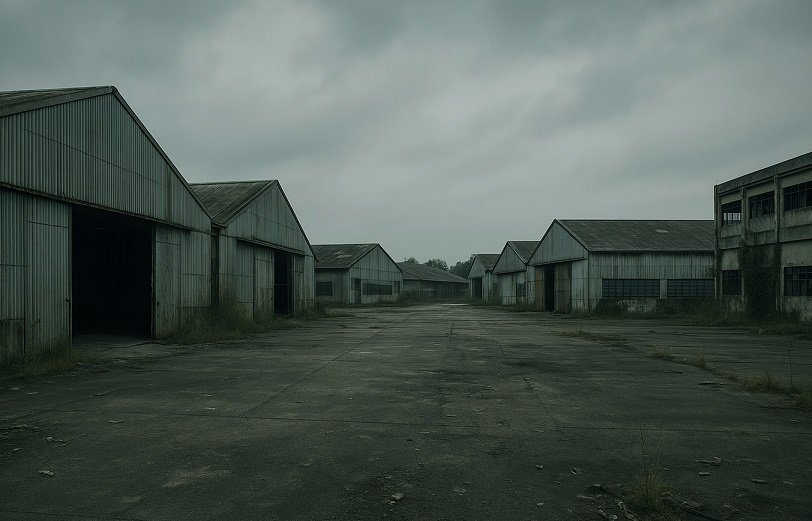
The rate of factory closures across Thailand is increasing month by month
Image Credit: AI-Generated
Capital investment trends are equally troubling, with June registering only 2.6 billion baht in new factory investment against 3.1 billion baht lost from shutdowns. According to this Bangkok Business News report, the downturn is being intensified by the looming threat of new US import tariffs that could hit Thai exports hard in the months ahead.
Persistent Decline and SME Struggles
Kasikorn Research Center (KResearch) warns that more Thai factories are expected to close in 2025 than in either of the past two years. The manufacturing sector has been under consistent pressure, with closures averaging over 100 per month for the past two years. SMEs are being hit the hardest, with their registered capital often several times lower than that of larger firms. In 2024 alone, the total registered capital of companies that closed factories was 47.8 billion baht, sharply down from over 180 billion baht in 2023 — an indication that smaller operators are disappearing faster than they can be replaced.
External Pressures and Chinese Competition
Industry analysts point to both internal weaknesses and external threats. Sluggish domestic growth, weakening purchasing power, and structural inefficiencies have eroded the competitiveness of local manufacturers. At the same time, Thai factories face unrelenting competition from low-cost Chinese imports, especially in sectors such as solar panels, electric vehicles, and steel. Chinese manufacturers enjoy substantial state support, including low-interest loans, giving them a decisive cost advantage. Many Thai SMEs, in contrast, face restrictive lending policies from commercial banks and limited access to affordable financing.
Manufacturing Contraction and Trade Risks
Data from the National Economic and Social Development Council (NESDC) shows manufacturing production contracted by 2.7% in 2023 and 0.5% in 2024, with notable declines in motor vehicles, trailers, and electrical equipment. While Thai exports grew 4.3% in 2024, some experts believe the increase partly reflects Chinese goods being routed through Thailand to bypass US trade barriers. This raises concerns that new US tariffs could have both direct and indirect impacts on Thai exports, further squeezing local producers.
A Shrinking Labour Market and Economic Ripple Effects
The impact on workers is already visible. In the first half of 2024, 457,000 factory workers — 11% more than the previous year — were working fewer than 40 hours per week, a sign of cost-cutting measures by employers. On average, new factories hire 36 workers each, but closures displace 52 workers, creating a persistent net job loss. As incomes fall, household spending power weakens, threatening domestic demand and further destabilising the economy.
The Urgent Need for Industrial Support
Analysts agree that without urgent intervention, Thailand could see an irreversible decline in its manufacturing base. Policy suggestions include targeted financial support for SMEs, easing of restrictive lending rules, and a comprehensive restructuring of key industries to withstand global competition.
Without such measures, the country risks a vicious cycle where reduced industrial activity leads to job losses, lower consumption, and even more factory closures — a trend that could define Thailand’s economic outlook for years to come.
For the latest on factory closures across Thailand, keep on logging to Bangkok Business News.