



What To Know
- KBank, which plans to initiate a share buyback scheme aimed at stabilizing its stock value and enhancing shareholder confidence, had reportedly urged Gulf—one of its significant shareholders with a stake exceeding 5%—to refrain from disposing of its holdings during the repurchase period.
- For KBank, the episode highlights the challenges of maintaining alignment with powerful institutional investors, while for Gulf, it reinforces its reputation as an assertive and autonomous conglomerate unwilling to bow to market pressure or informal requests that might limit its flexibility.
Bangkok Business News: A new corporate standoff is brewing between two of Thailand’s most influential companies as Gulf Development Public Company Limited has officially turned down a request from Kasikornbank Public Company Limited (KBank) asking it not to sell its bank shares during KBank’s upcoming share repurchase program. The move has sparked debate in the financial community, underscoring the delicate balance between regulatory boundaries, shareholder autonomy, and corporate governance.
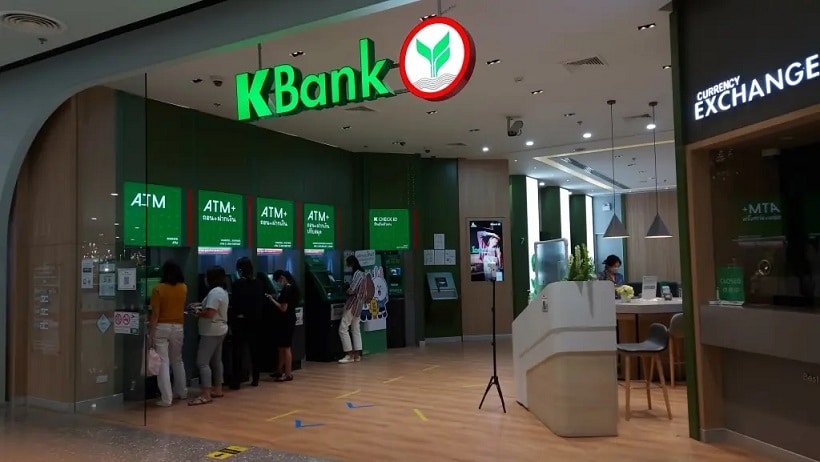
Gulf firmly declines KBank’s request to suspend share sales during the bank’s buyback period.
Image Credit: Kasikorn Bank
Gulf’s Firm Response to KBank’s Appeal
KBank, which plans to initiate a share buyback scheme aimed at stabilizing its stock value and enhancing shareholder confidence, had reportedly urged Gulf—one of its significant shareholders with a stake exceeding 5%—to refrain from disposing of its holdings during the repurchase period. However, Gulf rebuffed the request, emphasizing that its investment strategy was guided by shareholder value and that there was no regulatory obligation preventing it from acting independently. This Bangkok Business News report reveals that Gulf’s decision is seen as a clear assertion of its right to make investment moves that align with its financial interests rather than accommodating the bank’s internal objectives.
Regulatory Limits Add to the Tension
At the core of the issue lies the Bank of Thailand’s regulation, which requires shareholders holding more than 5% in any financial institution to seek prior approval before transferring their shares. The rule also prevents such shareholders from selling directly to the institution itself. This has led to speculation that KBank’s request was primarily an attempt to ensure compliance and avoid any perception of impropriety during its repurchase operations. Gulf, however, interpreted the request as unnecessary interference and reiterated that it operates strictly within legal and fiduciary frameworks governing its investments.
Implications for Both Corporations
Analysts suggest that Gulf’s refusal could complicate KBank’s share buyback process, potentially affecting the bank’s strategy to manage share prices and market sentiment during the repurchase window. The disagreement also exposes the fragile dynamics between large corporate shareholders and the banks they invest in. For KBank, the episode highlights the challenges of maintaining alignment with powerful institutional investors, while for Gulf, it reinforces its reputation as an assertive and autonomous conglomerate unwilling to bow to market pressure or informal requests that might limit its flexibility.
Market and Regulatory Outlook
The incident serves as a broader reminder of how regulatory guidelines and shareholder independence can collide, even within seemingly routine corporate transactions. It may prompt Thai regulators to revisit the clarity of existing rules governing major shareholder actions and buyback programs. Investors will be watching closely to see whether Gulf proceeds with any share sales during the repurchase period and how KBank adapts its strategy in response.
Ultimately, the Gulf–KBank episode illustrates how even well-intentioned corporate maneuvers can become flashpoints when ownership rules, market forces, and regulatory oversight converge. The event underscores the importance of transparent governance and independent shareholder judgment within Thailand’s evolving financial sector.
For the latest on Kasikorn Bank, keep on logging to Bangkok Business News