


What To Know
- Goldman Sachs has issued a stern warning that the global credit landscape may be entering dangerous territory, particularly driven by an unprecedented surge in private lending.
- Because the traditional banking sector and private credit markets are interwoven, losses in one corner may transmit to the rest of the system.
International Business News: Private Lending Tops US$5 Trillion and Concerns Grow
Goldman Sachs has issued a stern warning that the global credit landscape may be entering dangerous territory, particularly driven by an unprecedented surge in private lending. That non-bank credit market has now exceeded US$5 trillion in size, and Goldman’s leadership cautions that a cascade of defaults could unleash a systemic financial shock. If markets sour, the repercussions may ripple across multiple sectors.
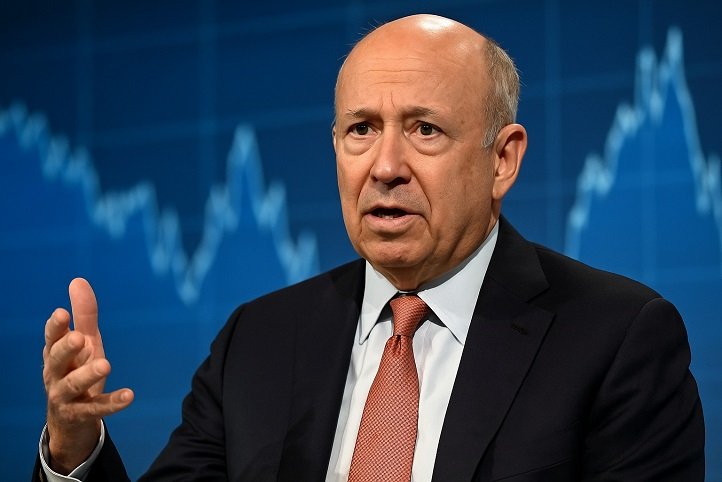
Credit markets reach breaking point warns top investment bank
Image Credit: AI-Generated
In this International Business News report, John Waldron, President of Goldman Sachs Group Inc., emphasized that much of the expansion in global lending over the last decade occurred in private credit, rather than traditional banking channels. He argued that the once-clear boundary between bank loans and private credit is now blurred: “I don’t really understand why we talk about private credit as one thing and bank lending as another — it’s all part of one system.”
Fraud Scandals Fan the Flames of Concern
Lately, a wave of credit fraud cases has shaken investor confidence and exposed vulnerabilities in the system. On October 16, both Zions Bancorp and Western Alliance Bancorp disclosed they had fallen victim to fraudulent loans tied to troubled commercial real estate funds. Meanwhile, Tricolor Holdings — a subprime auto lender — and First Brands Group, a major auto parts supplier, filed for bankruptcy amid allegations of fraudulent practices. The collapse of Tricolor alone inflicted a US$170 million loss on JPMorgan Chase.
JPMorgan’s CEO, Jamie Dimon, warned ominously that “there may be more cockroaches out there,” suggesting these episodes could be the visible tip of deeper structural problems. The friction between traditional banking and private credit floors has intensified. Some private credit firms counter that banks are ceding responsibility by pointing fingers: former Blue Owl Capital Co-CEO Marc Lipschultz retorted, “These fraud cases originated in the banks themselves. They should clean up their own books before criticizing others.”
Interconnected Risks Demand Vigilance
Waldron cautioned that stress is building at the lower rungs of the economy, where borrowers are most vulnerable. Because the traditional banking sector and private credit markets are interwoven, losses in one corner may transmit to the rest of the system. In other words, the conventional safety buffers may not hold when shocks arrive.
What This Means for Thailand and Asia
While the Goldman Sachs alert centers on global markets, emerging economies like Thailand could feel the aftershocks. Any regional slowdown or credit contraction could strain liquidity, elevate borrowing costs, and imperil domestic financiers who are themselves exposed to global debt cycles. Thai regulators, monetary authorities, and financial institutions may have to rethink risk buffers, capital charges, and oversight of nonbank credit channels.
A Call to Action for Market Vigilance
Goldman Sachs’ alarm is a reminder that the world is not structurally insulated against debt stress. The global growth in private credit, paired with recent fraud scandals, suggests that complacency may be dangerous. Stakeholders — from regulators to institutional borrowers — should reassess credit risk, stress test balance sheets, and bolster safeguards before contagion spreads.
Even if no immediate crisis emerges, the warning underscores how closely global credit, banking, and private lending now move together. Vigilant oversight, robust transparency, and proactive management may prove critical in averting a full-scale outbreak of defaults.
For the latest International Business News, keep on logging to Bangkok Business News