

What To Know
- The Thai restaurant sector is bracing for what industry watchers describe as an unusually challenging 2026, with operators across Bangkok and beyond confronting slowing consumer demand, weaker tourism and an economic mood that offers few clear upsides.
- Official government tourism data indicates a year-on-year decline of more than seven per cent in arrivals, a downturn that many restaurateurs say has directly reduced foot traffic and average customer spend at mid-range and fine-dining establishments alike.
Industry Faces Uncertain Year Ahead
The Thai restaurant sector is bracing for what industry watchers describe as an unusually challenging 2026, with operators across Bangkok and beyond confronting slowing consumer demand, weaker tourism and an economic mood that offers few clear upsides. Business owners report a marked shift in customer behaviour, with patrons cutting discretionary spending on dining out even as inflationary pressures continue to bite into household budgets. Domestic and international restaurant segments alike are feeling the squeeze, suggesting that the bright promise of a post-pandemic rebound is now fading into a more sobering reality for food service businesses. This Bangkok Business News report found that no powerful new market drivers have emerged to reverse these trends, leaving restaurateurs deeply cautious about expansion and long-term planning.

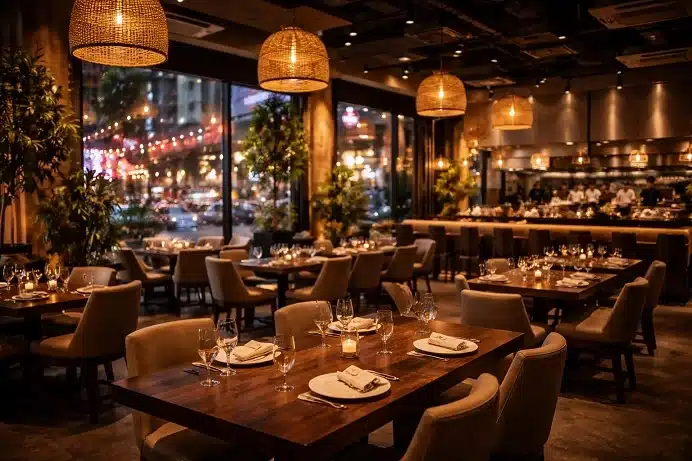
Dining scene faces weak demand and fewer tourists as restaurants rethink survival strategies in a tougher economic climate
Image Credit: Bangkok Business New
Tourism Slump Adds to Domestic Strain
Foreign arrivals into Thailand last year fell short of expectations, compounding domestic demand weakness and depriving eateries — particularly those in tourist-dependent precincts — of vital revenue streams. Official government tourism data indicates a year-on-year decline of more than seven per cent in arrivals, a downturn that many restaurateurs say has directly reduced foot traffic and average customer spend at mid-range and fine-dining establishments alike. Operators who once relied on international guests for up to half their business now report that fewer overseas visitors have translated directly into leaner kitchens and more cautious staffing models.
Pricing Pressures and Consumer Behaviour
With meals priced above modest thresholds struggling to attract customers, some restaurants have been forced to slash prices significantly, offering basic dishes at deeply discounted rates just to maintain a semblance of sales volume. Industry surveys show that many patrons are prioritizing essential goods over dining-out experiences, and are more likely to choose low-cost street food or inexpensive local eateries rather than sit-down restaurants. These shifting consumer patterns, coupled with persistent concerns about the broader economy, reflect a sector in defensive mode rather than one looking to innovate or expand aggressively.
Strategic Shifts and Hard Decisions Loom
Faced with this combination of domestic consumer belt-tightening and faltering inbound tourism, restaurant owners are being urged to reconsider growth plans and, in some cases, to shutter underperforming outlets to prevent deeper financial losses. Experts warn that maintaining business as usual could result in cash-flow crises for smaller operators, while larger chains may consolidate holdings or pivot towards delivery and takeaway services where margins permit. This period of uncertainty is prompting discussions across industry forums about survival strategies rather than ambitious new ventures.
Industry Outlook and Broader Implications
The restaurant sector’s grim outlook highlights a broader concern in Thailand’s service economy, reinforcing how sensitive eateries are to macroeconomic swings, fluctuating tourist numbers and changes in consumer spending habits. If pervasive caution becomes the norm across the food service market, this could dampen related sectors from suppliers to hospitality services, signaling a need for policymakers and business leaders to collaborate on measures that could reignite spending confidence.
For the latest on the Thai economy, keep on logging to Bangkok Business News.