


What To Know
- Del Monte Foods’ fall into bankruptcy serves as a cautionary tale of what can happen when legacy businesses fail to evolve quickly enough in a world of plant-based diets, health-conscious buyers, and economic volatility.
- The restructuring may give Del Monte a second chance in the US, but its survival will depend heavily on bold strategy shifts, better debt management, and a deep understanding of today’s consumer psyche.
International Business News: Del Monte Foods, the iconic American canned food company known for its pineapple slices, fruit cups, and tomato products, has filed for Chapter 11 bankruptcy protection in the United States. This stunning development involves the company’s US-based subsidiary, DMF Holdings, and highlights how long-standing household brands are struggling to keep up in a rapidly changing consumer and economic landscape.
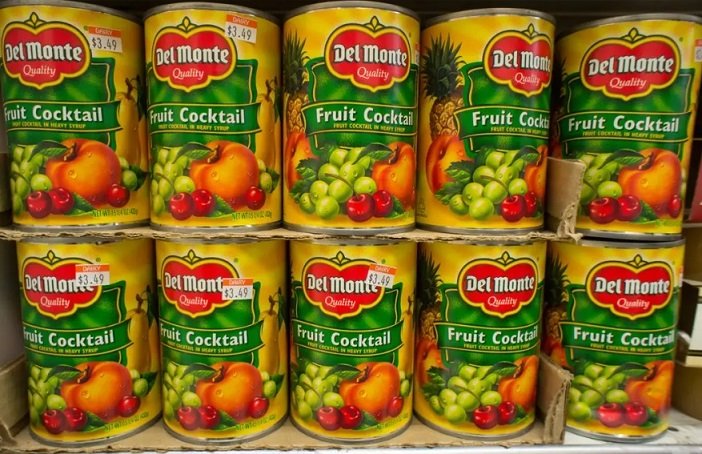
Del Monte Foods Declares Bankruptcy
Image Credit: Del Monte Foods
According to bankruptcy filings made in a Delaware court, the US unit of Del Monte Foods listed liabilities between US$1 billion and US$10 billion, with over 10,000 creditors. DMF Holdings is owned by Singapore-listed parent company Del Monte Pacific, which had acquired the US division from KKR and Vestar Capital Partners in 2014. The collapse reflects how even legacy food companies are finding it hard to stay afloat amid mounting debt and shifting consumer tastes. As noted in this International Business News report, the group has faced persistent operational challenges, inflation-driven cost increases, and the growing trend of consumers moving away from canned goods toward fresher and more organic options.
Years of Losses and Strategic Misfires
While Del Monte Pacific had tried to turn around the US business by cutting costs and introducing new products, it continued to bleed money. Del Monte’s US unit reportedly suffered four consecutive years of net losses. The company also struggled to compete in a crowded grocery market dominated by private labels and cheaper alternatives.
Its bankruptcy petition includes a long list of well-known creditors, including packaging giants, logistics providers, marketing firms, and agricultural suppliers. The company stated it will continue operations during the restructuring process and will use available cash to meet obligations to employees and critical suppliers. DMF Holdings emphasized that the bankruptcy process would allow it to reorganize, reduce debt, and position the brand for future growth in a more streamlined form.
Impact on the Singapore Parent and Industry Outlook
Singapore-listed Del Monte Pacific, which is not part of the US bankruptcy proceedings, assured shareholders that the financial woes of its US arm would not affect its Asian operations. The parent company continues to operate profitably in the Philippines and other Southeast Asian markets, with its core business anchored in fresh produce and juice beverages.
Nonetheless, the filing has cast a shadow over the global processed food industry, which is now facing the dual pressures of rising input costs and changing consumption patterns. Analysts warn that more traditional brands may face similar fates if they fail to innovate and adapt to modern retail trends.
Del Monte Foods’ fall into bankruptcy serves as a cautionary tale of what can happen when legacy businesses fail to evolve quickly enough in a world of plant-based diets, health-conscious buyers, and economic volatility. The restructuring may give Del Monte a second chance in the US, but its survival will depend heavily on bold strategy shifts, better debt management, and a deep understanding of today’s consumer psyche.
For the latest International Business News, keep on logging to Bangkok Business News.



