


What To Know
- Thailand is bracing for an unprecedented surge of Chinese goods over the next three years, with analysts warning it could be the highest inflow in a decade.
- Among the proposed measures are the establishment of an early-warning system to track sudden surges in imports, enforcement of strict rules of origin to prevent trans-shipment, and the tightening of import quality standards.
Bangkok Business News: Tariffs driving redirection of exports
Thailand is bracing for an unprecedented surge of Chinese goods over the next three years, with analysts warning it could be the highest inflow in a decade. The shift comes as a direct result of the United States’ recent trade policies under the Trump administration. This Business Bangkok News report examines how these tariffs are reshaping trade flows and what it means for Thailand.
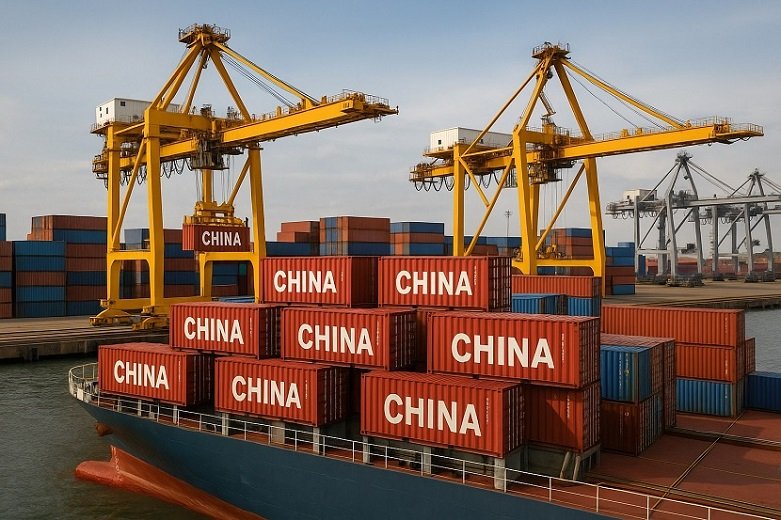
A flood of Chinese goods is expected into Thailand the next few years
Image Credit: AI-Generated
The United States introduced the so-called Trump Tariff, imposing duties of 15% to 50% on imports from 90 countries. While India and Brazil were hit with the maximum 50%, China is currently facing a steep 30% rate. In retaliation, Beijing has slapped a 10% tariff on American goods. The ripple effect is clear—Chinese exporters are looking to redirect shipments into Southeast Asia, with Thailand positioned as one of the key destinations.
Billions worth of redirected goods
Independent scholar and ASEAN economics specialist Ath Pisalvanich has estimated that between 69.78 billion and 88.30 billion baht worth of Chinese exports originally destined for the US will find their way into Thailand over the next three years. These goods will largely include telecommunications equipment, automobiles, and computers, all of which were previously meant for the American market.
Over the last two decades, China’s trade surplus with the US has ballooned, reaching a peak of US$400 billion in 2018 before easing slightly to US$290 billion in 2024. However, with the new tariffs, American imports from China could fall by US$300 billion in just three years. This creates a wave of “trade diversion,” forcing Chinese products into alternative markets like ASEAN, Africa, and the Middle East.
The looming Thai trade deficit
For Thailand, the numbers paint a troubling picture. With current tariff structures in place, imports from China are forecast to climb from US$85.52 billion to US$108.23 billion. This means the trade deficit with China could swell from US$46.66 billion to a massive US$63.63 billion.
Ath warns that this will put Thai small and medium-sized enterprises (SMEs) under immense strain, as they compete against a flood of cheap Chinese industrial goods. Unless the government implements urgent safeguards, Thailand risks being overwhelmed by imports that will challenge domestic industries.
Safeguards urgently needed
Among the proposed measures are the establishment of an early-warning system to track sudden surges in imports, enforcement of strict rules of origin to prevent trans-shipment, and the tightening of import quality standards. Ath also suggested creating an industrial adjustment fund to help SMEs remain competitive.
If these steps are not taken, Chinese goods could undermine Thailand’s own industrial base. The extent of the inflow will also depend on the outcome of ongoing US-China negotiations, which are set to conclude in November 2025.
Wider economic pressures
Adding to the challenge, Thailand itself faces tariffs from Washington. The National Economic and Social Development Council (NESDC) noted that the US has imposed a 19% tariff on Thai exports, with a 25% rate specifically targeting automobiles and auto parts. This is expected to dampen demand for Thai goods in the American market, particularly in the latter half of 2025.
NESDC Secretary-General Danucha Pichayanan stressed that global trade volatility could pose even deeper risks. Potential hikes in tariffs on key inputs like steel, semiconductors, and rare earth minerals may further disrupt supply chains and slow global growth.
Meanwhile, Deputy Prime Minister and Finance Minister Pichai Chunhavajira confirmed that talks with the US regarding local content requirements for Thai products have been delayed. He admitted that while Thailand seeks equal treatment, much depends on Washington’s demands.
Thailand at a crossroads
Thailand is now at a critical juncture. The next three years could define its trade trajectory for the decade ahead. The country must balance defending its domestic industries against the inflow of Chinese products while also protecting its export access to the US. The government’s ability to act swiftly and decisively will determine whether Thailand weathers this global trade storm or becomes one of its biggest casualties.
For the latest on the Thai economy, keep on logging to Bangkok Business News.