

What To Know
- The proposed tariff rate places Thailand among a group of countries facing steeper trade barriers, creating new uncertainty for exporters, manufacturers, and investors at a time when the nation is already navigating slower economic growth and mounting geopolitical pressures.
- The tariff threat arrives at a time when multinational corporations are already reevaluating supply chains due to geopolitical tensions, trade fragmentation, and efforts to move production closer to major consumer markets.
Bangkok Business News: Thailand Faces Urgent Economic Reset as Higher US Tariffs Threaten Exports and Investment Appeal
Thailand is confronting a fresh economic challenge as the United States moves ahead with plans to impose a 12.5 percent tariff on Thai goods under a broader trade enforcement framework aimed at economies viewed as key links in global manufacturing networks. The proposed tariff rate places Thailand among a group of countries facing steeper trade barriers, creating new uncertainty for exporters, manufacturers, and investors at a time when the nation is already navigating slower economic growth and mounting geopolitical pressures.

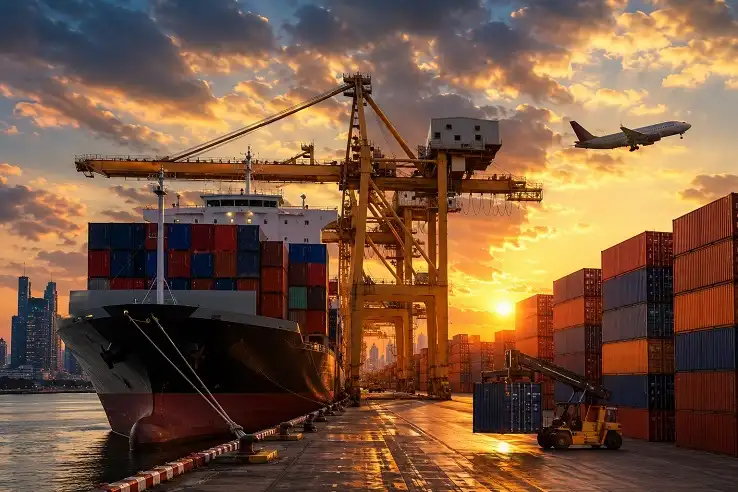
Image Credit: Bangkok Business News
The tariff issue has rapidly evolved beyond a simple trade dispute and is now forcing policymakers and business leaders to reassess Thailand’s long-term economic strategy. Analysts warn that the country’s role in regional supply chains, particularly in industries connected to electronics, automotive production, and industrial components, is coming under increasing scrutiny. Amid growing concerns over transshipment practices and import policies, this Bangkok Business News report finds that Thailand may need to undertake significant reforms if it hopes to preserve its competitiveness in one of its most important export markets.
Pressure Mounts on Trade and Industrial Policies
Economic experts argue that Thailand must move quickly to close loopholes that allow foreign products to pass through local production channels with limited domestic value creation. Such practices have attracted attention from American trade authorities, particularly as Washington intensifies efforts to prevent goods from bypassing restrictions through intermediary manufacturing hubs.
At the same time, Thailand’s industrial strategy is facing renewed examination. Large-scale imports of electric vehicles and automotive components have expanded rapidly in recent years, while domestic demand has not kept pace. This imbalance has raised questions about whether some policies are unintentionally creating excess production capacity that could be directed toward export markets.
Industry observers note that the situation is also affecting local manufacturers. Traditional automotive producers and domestic suppliers are facing increased competition from imported products, placing additional strain on sectors that have long served as pillars of Thailand’s industrial economy.
Export Growth Faces New Risks
While Thailand’s export performance remained relatively resilient in the past year, economists caution that part of the growth may have been driven by overseas buyers accelerating purchases ahead of anticipated trade restrictions. If tariffs take effect as expected, the momentum seen in previous export figures could weaken significantly.
The impact could be especially severe for sectors that account for a substantial share of shipments to the United States. Electronics assembly operations, automotive-related products, and rubber-based industrial components are among the industries viewed as most vulnerable to higher tariff costs.
Businesses are also concerned about uncertainty. Many executives believe that prolonged uncertainty surrounding tariff rates can be more damaging than a fixed increase because it complicates planning, investment decisions, and risk management strategies.
Global Investors Reassess Supply Chains
The tariff threat arrives at a time when multinational corporations are already reevaluating supply chains due to geopolitical tensions, trade fragmentation, and efforts to move production closer to major consumer markets. Higher tariffs could accelerate those shifts, prompting some companies to reconsider future investment plans involving Thailand.
For decades, Thailand has built its reputation as a strategic manufacturing hub serving regional and global markets. However, trade barriers and changing geopolitical realities are increasingly influencing where international firms choose to expand operations.
Beyond trade concerns, rising energy costs and geopolitical instability in key regions could add further pressure on Thailand’s economy. Increased production expenses may squeeze corporate margins while also contributing to inflationary pressures across multiple sectors.
A Defining Moment for Economic Restructuring
Many economists believe the current situation represents a pivotal moment for Thailand’s economic future. Rather than focusing solely on securing lower tariff rates through negotiations, experts argue that the country must address deeper structural weaknesses and create stronger alignment between trade policy, investment promotion, and industrial development.
A coordinated approach that strengthens domestic value creation, improves competitiveness, and enhances resilience against external shocks is increasingly viewed as essential. As global trade patterns continue to shift, Thailand’s ability to adapt may determine whether it remains a preferred destination for foreign investment and a critical participant in international supply chains.
The coming months are likely to be crucial. With higher tariffs looming and global economic uncertainty persisting, Thailand faces a test that extends far beyond trade negotiations. The decisions made now could shape the country’s industrial landscape, export performance, and investment attractiveness for years to come.
For the latest on the Thai economy and local business sentiments, keep on logging to Bangkok Business News.