


What To Know
- In a significant shift, import taxes on many small parcels will also be raised to their legal maximum ceilings of up to 30% or 40%, depending on the product category.
- The move follows consultations with major industry bodies, including the Federation of Thai Industries and the Board of Trade of Thailand, ensuring that the policy aligns with broader national economic goals.
Bangkok Business News: Thailand is preparing to tighten its grip on cross-border e-commerce, with sweeping tax reforms aimed at curbing an influx of low-cost imported goods that have increasingly pressured local businesses.
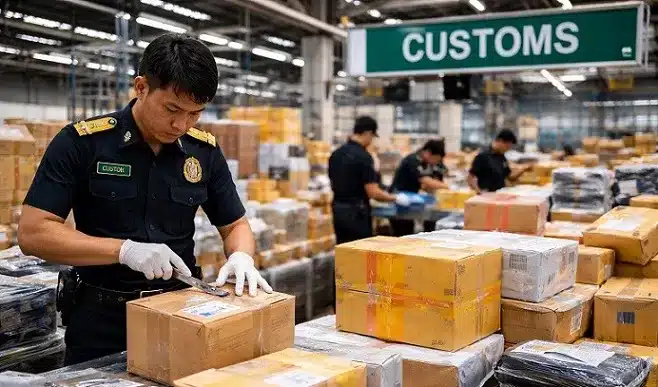
Image Credit: Bangkok Business News
The Thai Customs Department has confirmed plans to abolish the long-standing tax exemption on imported parcels valued below 1,500 baht, meaning duties will now be applied from the very first baht. In a significant shift, import taxes on many small parcels will also be raised to their legal maximum ceilings of up to 30% or 40%, depending on the product category. This Bangkok Business News report highlights how authorities are moving decisively to close long-exploited gaps in the system while reshaping the competitive landscape for Thai entrepreneurs.
Closing a Costly Gap in the System
For years, Thailand relied on provisions under the Customs Tariff Decree (1987) to ease trade flows by exempting low-value imports from taxes. However, the rapid rise of global e-commerce platforms has turned this convenience into a major vulnerability.
According to Customs officials, foreign sellers have increasingly taken advantage of the exemption by shipping products directly to Thai consumers in small parcels, effectively bypassing traditional supply chains. Unlike domestic businesses, these sellers do not invest in local warehouses, logistics, or employment, allowing them to offer significantly lower prices.
Officials describe this as an “economic leak,” where money flows out of the country without contributing to domestic economic activity. The new measures aim to plug that leak while restoring fair competition for Thai small and medium-sized enterprises (SMEs).
Stronger Enforcement and Transparency
Another key element of the reform is stricter enforcement on declared parcel values. E-commerce platforms will now be required to display the actual transaction price on packages, reducing the widespread practice of under-declaring goods to avoid taxes.
Authorities believe this will not only improve compliance but also enhance transparency across digital marketplaces. The move follows consultations with major industry bodies, including the Federation of Thai Industries and the Board of Trade of Thailand, ensuring that the policy aligns with broader national economic goals.
Boosting Revenue and Supporting Local Businesses
The financial upside for the government is also substantial. The Customs Department estimates that removing the exemption alone could generate an additional 300 million baht in monthly revenue.
More importantly, the policy is expected to level the playing field for Thai SMEs that have struggled to compete with ultra-cheap imported goods flooding online marketplaces. By raising import duties and enforcing fair pricing, authorities hope to strengthen domestic production and encourage consumers to support local businesses.
A Turning Point for Thailand’s Digital Economy
This reform marks a decisive turning point in how Thailand manages the challenges of a rapidly evolving digital economy. While consumers may face slightly higher prices on imported goods, the broader impact could be a more sustainable and balanced marketplace that benefits local industries and long-term economic growth. The move signals a clear intent by policymakers to prioritize domestic resilience over short-term convenience.
For the latest on the Thai economy, keep on logging to Bangkok Business News.



