


What To Know
- In a fresh open letter to the Finance Ministry, BOT officials argue that the drop in inflation is tied to supply-side forces, not anemic demand — and that further rate cuts could be counterproductive or even risky.
- This Bangkok Business News report found that the BOT is keen to emphasize that this low inflation phase is temporary and manageable, not a sign of broader economic malaise.
Bangkok Business News: The Bank of Thailand is pushing back against concern over weakening price levels, defending its cautious monetary approach after inflation slid well below the official 1–3 percent band. In a fresh open letter to the Finance Ministry, BOT officials argue that the drop in inflation is tied to supply-side forces, not anemic demand — and that further rate cuts could be counterproductive or even risky.
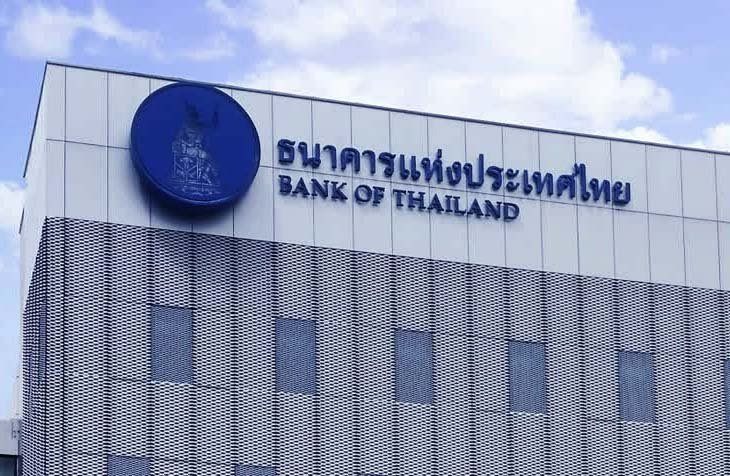
Thailand’s central bank defends cautious monetary stance as inflation dips below target amid supply-side pressures
Image Credit: BOT
In the letter, the central bank highlights how falling global energy prices and stronger food output have driven headline inflation to just 0.5 percent over the past year, a level persistently outside its target. This Bangkok Business News report found that the BOT is keen to emphasize that this low inflation phase is temporary and manageable, not a sign of broader economic malaise. Officials say it relieves pressure on indebted households, but caution that deeper cuts would erode policy buffers and fuel unsustainable debt accumulation.
Supply Issues Not Weak Demand BOT’s Explanation
The BOT frames the current environment as distinctly different from a demand-driven slump. It argues that cheaper oil and subsidized electricity, alongside abundant harvests and improved agricultural outputs, are weighing on prices — dynamics outside the direct control of interest rate policy. Core inflation, which excludes volatile food and energy prices, remains around 0.9 percent, suggesting that firms still maintain pricing power.
In addition, private consumption continues to show modest growth, according to the central bank. BOT policymakers say these indicators support the view that the economy isn’t collapsing, but rather adjusting to transitory external shocks.
Why BOT Resists More Rate Cuts
Having already lowered the policy rate three times in 2025 — bringing it down to 1.50 percent — the central bank maintains that further reductions would deliver little stimulus to inflation and may instead lead to financial excesses. One risk flagged is that looser credit could worsen household debt, which remains sky-high in Thailand. Moreover, the BOT stresses the importance of preserving flexibility — a “policy buffer” — in the event of future crises. In its view, excessive easing now could handcuff the bank later.
Forecasts and Key Risks
Looking ahead, the BOT expects inflation to gradually return to its target band by the first quarter of 2027, assuming global energy markets stabilize. But it warns of several wild cards: renewed energy volatility, global supply chain shocks, and the possibility of a deeper downturn that drags prices permanently lower.
Still, the bank affirms it will continue to operate under its Flexible Inflation Targeting framework, balancing price stability with growth support. It is also obliged to issue a new public letter if inflation remains outside its target beyond the next six months — ensuring transparency in its strategy.
Even as the BOT holds the line, challenges loom. A prolonged low-inflation environment could sap business confidence, curb investment, and slow momentum in consumption. To sustain growth, policymakers may need to rely more on structural reforms, credit support for SMEs, and fiscal stimulus, rather than rate cuts. The central bank’s stance signals both prudence and a warning: monetary policy has its limits.
In the end what the BOT is doing may determine whether Thailand weathers this soft price season without derailing its broader recovery path. Its delicate dance between restraint and responsiveness could define outcomes in the quarters ahead.
For the latest on the Thai economy, keep on logging to Bangkok Business News



