


What To Know
- While the nation continues to enjoy strengths such as solid foreign reserves, a current account surplus, and most government debt denominated in baht, Fitch underscores that managing debt overhang will be a major challenge unless decisive fiscal adjustments are made.
- Fitch notes that a return to a “Stable” outlook could occur if the government makes visible progress on reforms and economic momentum strengthens.
Bangkok Business News: Outlook Change Signals Concern Over Stability
Global ratings agency Fitch has revised Thailand’s long-term issuer default rating outlook from “Stable” to “Negative,” while retaining the underlying credit rating at BBB+. The move reflects intensifying scrutiny over the country’s fiscal trends and the political turbulence that followed the recent removal of the prime minister. This Bangkok Business News report delves into the factors behind Fitch’s decision and what it could mean for Thailand’s economic path forward.
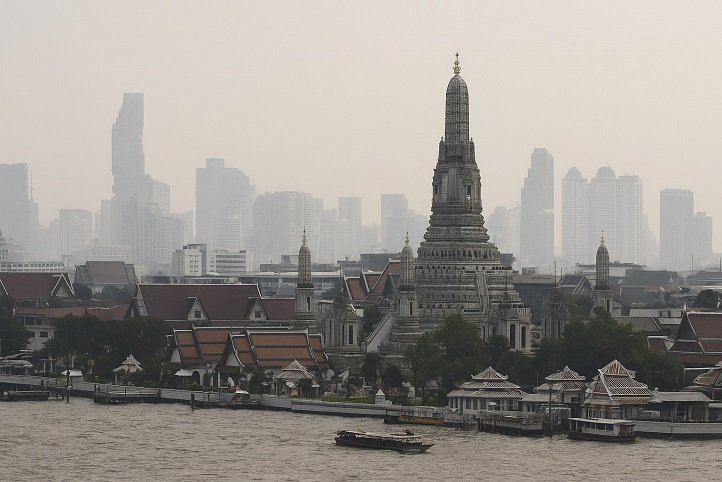
Credit rating agency warns Thailand’s fiscal health and political instability could threaten its economic future
Image Credit: AI-Generated
Debt rising, deficits stubborn
According to Fitch, Thailand’s public debt now stands at 59.4 percent of GDP—roughly 25 percent higher than pre-pandemic levels. The agency warns that fiscal pressures are mounting: it anticipates budget deficits of 4.6 percent of GDP in 2025 and 4.3 percent in 2026. While the nation continues to enjoy strengths such as solid foreign reserves, a current account surplus, and most government debt denominated in baht, Fitch underscores that managing debt overhang will be a major challenge unless decisive fiscal adjustments are made.
Political shock waves and policy uncertainty
Fitch cites the abrupt removal of Prime Minister Paetongtarn Shinawatra and the mounting possibility of snap elections as key sources of policy risk. The agency is particularly wary of stalemates or erratic shifts in economic direction, which could exacerbate investor jitters and slow recovery initiatives. In its forecast, Fitch expects modest GDP growth of 2.2 percent in 2025 and 1.9 percent in 2026—both below the 2.7 percent average it projects for “BBB”-rated peers.
Strengths offer a safety net — for now
Despite the negative revision, Fitch retained the BBB+ rating, pointing to a number of stabilising buffers. Thailand’s macroeconomic policies remain relatively conservative. The interest burden on government revenue is around 5.7 percent—well under the peer average of 9.2 percent. Also, the bulk of Thai debt is baht-denominated, insulating it somewhat against foreign-exchange pressures. Nonetheless, Fitch emphasizes that any further deterioration in debt metrics or sharp political volatility could trigger a full downgrade.
What’s at stake
If the government fails to reverse fiscal deterioration or if political gridlock continues unchecked, further credit downgrades are not off the table. Conversely, Fitch notes that a return to a “Stable” outlook could occur if the government makes visible progress on reforms and economic momentum strengthens. Markets and international investors will be watching closely to see whether Thailand can chart a credible path toward fiscal consolidation amid political uncertainties.
In summary, Thailand now finds itself caught between persistent fiscal headwinds and looming political risk. While underlying strengths buy some time, substantial reforms and stable governance will be essential to restore confidence and avoid deeper credit repercussions.
For the latest on the Thai economy, keep on logging to Bangkok Business News



